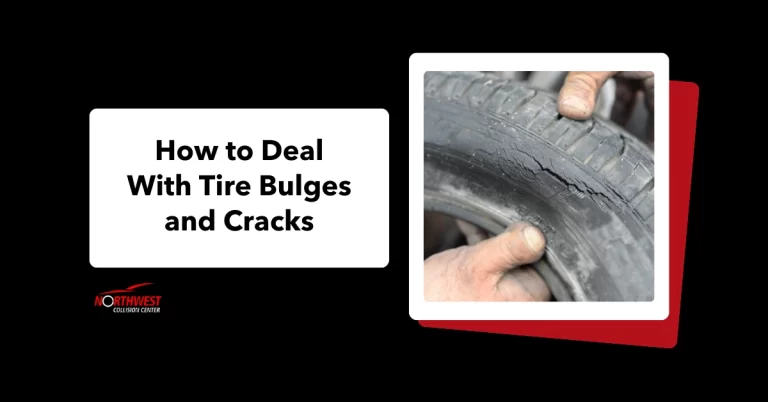
Tires are easy to overlook, but they play a crucial role in your vehicle’s safety. When you spot a bulge or crack, it’s more than just a cosmetic issue. These signs often indicate a weakened tire structure, which can lead to a blowout while driving. Knowing what causes these problems and how to handle them can help you stay safe and avoid costly repairs.
This guide will show you what tire bulges and cracks look like, why they happen, and what to do when you find them. Whether you’re a new driver or just want to keep your vehicle in good shape, recognizing and addressing these warning signs can make a big difference.
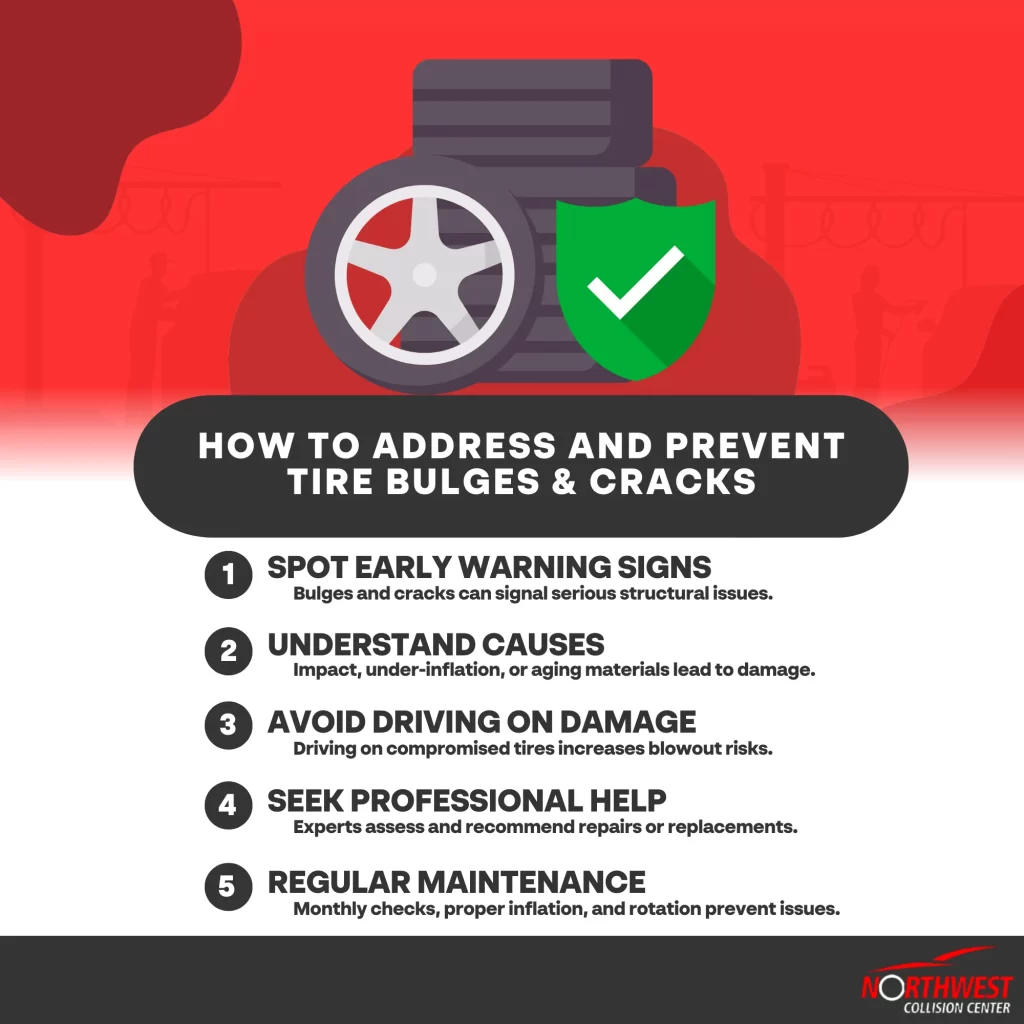
Spot Early Warning Signs
Tire damage often starts small, and catching issues early is key. Bulges look like raised, bubble-like areas on the tire’s sidewall. This happens when the tire’s internal structure weakens, allowing air pressure to push outward. Even if the surface seems fine, a bulge usually means the tire is compromised.
Cracks appear as small lines on the tread or sidewall. They occur when the rubber dries out or when the tire experiences excessive heat or age. Tiny cracks might not seem alarming at first, but they tend to grow and weaken the tire over time.
Watch for these early warning signs:
- Uneven tire wear
- Vibration while driving
- Visible deformities on the sidewall
- Thumping sounds while moving
- Difficulty maintaining proper tire pressure
Spotting these changes early allows you to take action before a minor issue becomes a dangerous one.
Understand Causes
Bulges and cracks form for a variety of reasons. Knowing the causes can help you prevent the same problems down the road.
Bulges usually happen when the tire’s internal layers—called plies—get damaged. This often occurs from hitting curbs, potholes, or debris. Even a minor impact can weaken the structure without leaving visible marks until a bulge appears later.
Cracks generally result from aging, sun exposure, or improper inflation. Tires degrade over time, even if they look fine from the outside. Rubber can dry out and lose flexibility, especially in hot climates. Underinflated or overinflated tires are also more prone to cracking due to uneven stress on the rubber.
Other common causes include:
- Consistent overloading of the vehicle
- Harsh chemicals or cleaning agents
- Extreme temperature fluctuations
- Manufacturing defects (less common, but possible)
Knowing what causes these issues helps you make better decisions about driving habits, maintenance schedules, and tire selection.
Avoid Driving on Damage
One rule to follow with bulges or cracks is simple: don’t keep driving on a damaged tire. Even if the vehicle feels stable, the tire’s structure might be on the verge of failure. A blowout at highway speeds can lead to loss of control, resulting in accidents or serious vehicle damage.
Driving on a damaged tire can also affect your vehicle’s alignment, suspension, or wheels. A bulging tire can disrupt the vehicle’s balance and put extra stress on other parts.
If you notice a bulge, stop driving immediately and replace the tire. If you see cracks but aren’t sure how serious they are, have a professional check them out as soon as possible. Ignoring either issue can turn a manageable problem into a costly or dangerous situation.
If you must move the vehicle, do so slowly and only for a short distance—like into a parking lot or to a nearby service center.
Seek Professional Help
While you can spot bulges and cracks, figuring out how severe the damage is best left to the pros. A qualified technician can assess the tire’s structural integrity and determine if it needs repair or replacement. In most cases, bulges can’t be repaired since the internal layers have failed. Replacement is the only safe option.
Cracks can sometimes be evaluated differently based on their depth and location. Superficial cracks might not require immediate replacement, but deeper or expanding cracks almost always mean you need a new tire. A technician can also help identify if the damage came from improper inflation, alignment issues, or suspension problems—allowing you to fix the root cause.
It’s also smart to have the technician check the other tires. Damage to one tire might indicate similar wear patterns in the others, especially if caused by road hazards or improper maintenance.
Regular Maintenance
Preventing tire issues starts with consistent maintenance. Having a routine helps you catch early signs of wear and extends the life of your tires.
Key maintenance steps include:
- Check tire pressure monthly. Underinflated or overinflated tires wear out faster and are more prone to cracking and bulging.
- Rotate tires every 5,000 to 7,000 miles. This ensures even wear across all tires, reducing stress on individual ones.
- Inspect tires for cuts, nails, and debris. Road hazards can weaken a tire’s internal structure without causing immediate failure.
- Keep your tires clean. Washing your tires removes chemicals and road salts that can degrade rubber over time.
- Avoid prolonged sun exposure. UV rays can dry out tires and cause cracking, especially in warm climates.
Remember, even with proper maintenance, tires will eventually age out. Most manufacturers recommend replacing tires every six to ten years, regardless of tread condition. Rubber hardens over time, reducing flexibility and increasing the risk of cracking.
People Also Ask: How do I know if a tire bulge is dangerous?
A tire bulge is almost always dangerous because it indicates structural failure inside the tire. When the inner layers separate or weaken, air pressure pushes outward and creates a bubble on the sidewall. This condition significantly increases the risk of a blowout. Even a small bulge can rupture unexpectedly, especially at higher speeds. If you notice any bulging, avoid driving the vehicle and replace the tire immediately.
Final Thoughts
Tire bulges and cracks are not issues to ignore. They can develop quickly and often signal deeper structural problems that compromise your vehicle’s safety. By learning to spot early warning signs, understanding the causes, and avoiding driving on damaged tires, you can prevent accidents and costly repairs. Regular maintenance—like checking tire pressure, rotating tires, and inspecting for damage—helps keep you safe on the road.