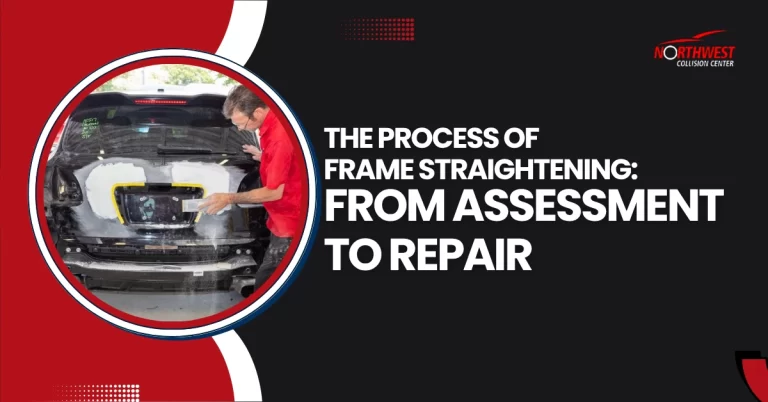
Frame straightening is one of the most important steps after a collision because it restores your vehicle’s structure, safety, and drivability.
The process starts with a careful assessment of the damage, moves through precise realignment on specialized equipment, and ends with detailed inspections to be sure everything matches factory specifications.
When you trust experienced professionals for your Frame Straightening Service, you protect both your expenses and your vehicle’s long-term value.
If you are curious about what happens behind the scenes, understanding each stage of the frame straightening process can give you real peace of mind.
Key Takeaways
Frame straightening is more than simply pulling metal back into place; it is a measured, step-by-step process that brings your vehicle back to safe driving condition.
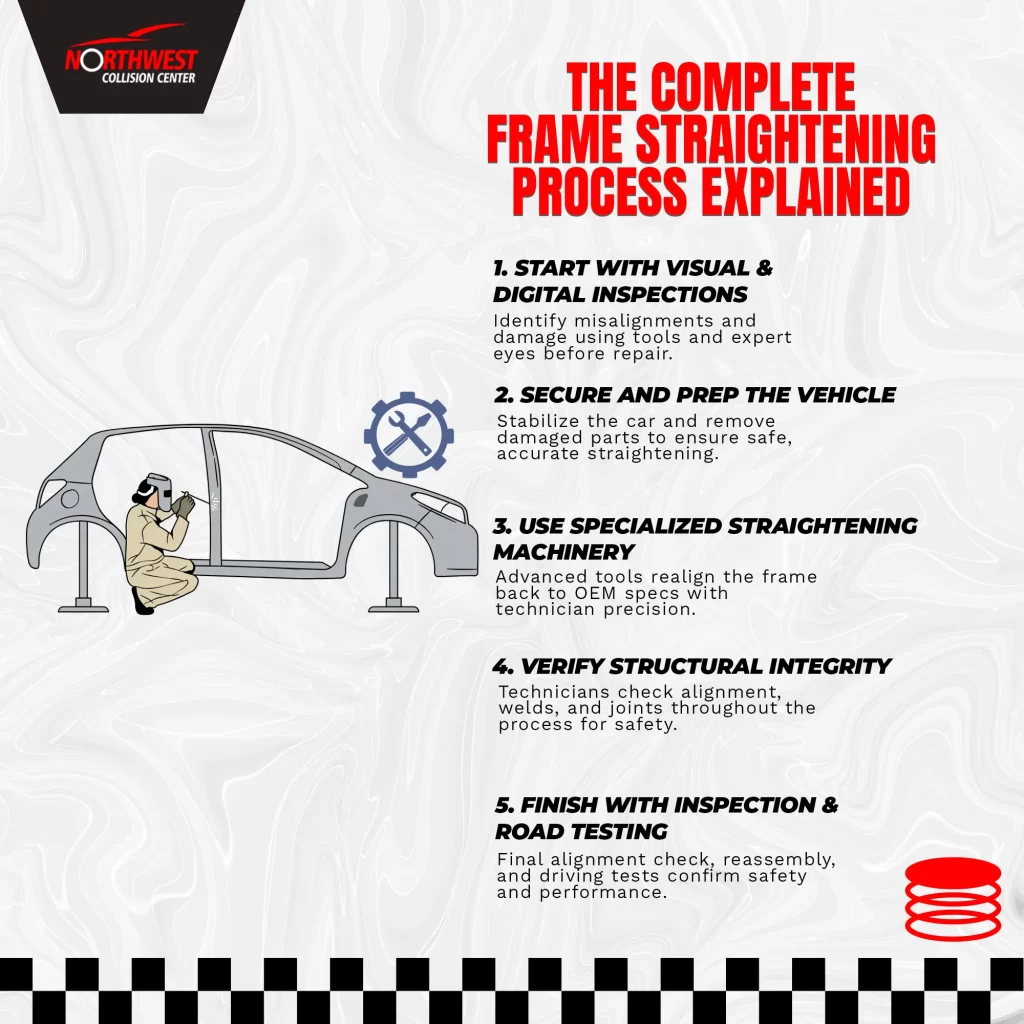
- Begin with a thorough visual inspection to identify any visible frame damage and misalignments.
- Use diagnostic tools to measure alignment accurately before starting repairs.
- Secure the vehicle and remove damaged components carefully to prepare for straightening.
- Employ specialized machinery and skilled professionals to realign the frame to the original specifications.
- Conduct a post-repair inspection to ensure alignment and structural integrity, followed by thorough road tests.
Assessing the Extent of Frame Damage
When evaluating frame damage, you’ll start with a visual inspection to identify any obvious issues.
Next, it is important to use diagnostic tools that measure alignment problems accurately. This combination helps guarantee you get a clear understanding of the damage and what needs to be fixed.
Visual Inspection and Structural Analysis
To accurately assess the extent of frame damage, a thorough visual inspection and structural analysis are essential.
You’ll want to start by looking for any visible signs of damage, since this can help guide your next steps. Utilizing frame straightening tools can make this process more efficient.
Before any straightening begins, technicians will typically:
- Check for misalignments in the frame
- Look for cracks or bends in critical structural components
- Inspect the welds and joints for integrity
This initial review helps determine whether the frame can be repaired safely or if additional structural components require attention.
Using Diagnostic Tools to Measure Alignment Issues
Diagnostic tools play an essential role in measuring alignment issues during the frame straightening process.
These tools help you pinpoint specific areas of damage, ensuring an accurate assessment. Using computerized alignment systems, you can quickly determine how far off the frame is from its original specifications.
Additionally, laser measurement devices provide precise data, allowing for effective adjustments.
By employing these diagnostic tools, you can identify whether the frame needs minor tweaks or extensive corrections. This information is vital for developing a tailored repair plan, ultimately leading to a successful frame straightening.
Regularly utilizing these technologies not only improves the quality of repairs but also enhances the safety and performance of the vehicle post-repair.
Why Professional Frame Straightening Matters for Safety
After a collision, even small shifts in the frame can affect how your vehicle handles, steers, and protects you in another impact.
Working with frame straightening process experts helps ensure that these critical corrections are done to precise measurements rather than guesswork.
A properly straightened frame helps:
- Restore crash-energy management so crumple zones work the way the manufacturer designed
- Prevent premature tire wear or alignment issues caused by a twisted structure
- Keep doors, hoods, and trunk lids closing properly, which is another indicator of true frame alignment
When the frame is brought back to spec, the vehicle is better able to protect you and your passengers on the road.
Preparing the Vehicle for Frame Straightening
Before starting the frame straightening process, you need to secure the vehicle and remove any damaged parts that could interfere with the repair.
Choosing the right equipment is essential to guarantee that the job is done correctly and efficiently. Taking these steps will set the foundation for a successful frame restoration.
Securing the Vehicle and Removing Damaged Parts
Once the vehicle arrives at our shop, securing it properly is essential for a successful frame straightening process. You’ll want to make sure it is stable and ready for the necessary repairs.
This involves using specialized equipment to hold the vehicle in place, ensuring accuracy during the auto frame straightening procedure.
Typically, technicians will:
- Check the vehicle’s suspension and alignment before starting
- Use clamps and supports to keep everything secure
- Remove any damaged parts carefully to avoid further complications
Choosing the Right Equipment for the Repair
Selecting the appropriate equipment for frame straightening is essential to achieving precise results.
You’ll want to use a high-quality car frame straightening machine since it guarantees that the structural integrity of the vehicle is restored effectively. Before starting, it helps to be familiar with the machine’s capabilities and settings to maximize accuracy.
Additionally, you should make certain you have the right accessories, such as clamps, measuring tools, and a dedicated workspace. These tools help you assess the damage accurately and maintain control during the straightening process.
Always prioritize safety by wearing protective gear and confirming the vehicle is securely anchored. By choosing the right equipment and preparing adequately, you’ll set yourself up for a successful frame straightening repair.
Executing the Frame Straightening Process
Now that your vehicle has been inspected and prepared, it is time to execute the frame straightening process. You will see specialized machinery realigning the frame carefully, ensuring everything is back in place.
Throughout this process, verifying the structural integrity is essential to guarantee that your vehicle’s safety and performance are restored.
Realigning the Frame Using Specialized Machinery
When a vehicle’s frame is compromised due to an accident, realigning it using specialized machinery is vital for restoring its structural integrity.
Here are some key aspects of realigning the frame:
- State-of-the-art equipment helps technicians accurately measure and adjust frame angles
- Skilled professionals handle the machinery and make careful corrections
- Safety is always the priority since proper structural frame alignment directly affects how your vehicle behaves in a future collision
Verifying Structural Integrity Throughout the Repair
After realigning the frame with specialized machinery, the next step involves verifying the structural integrity of your vehicle throughout the repair process.
This is essential to guarantee that the frame straightening was effective and that your vehicle will perform safely on the road.
Technicians use measuring tools and alignment systems to double-check that all components are within the manufacturer’s specifications.
They will assess the welds, joints, and overall structure, making adjustments as needed. You’ll want to be certain that any repairs maintain the vehicle’s safety features and driving dynamics.
Regular inspections during the frame straightening process help catch any issues early, confirming your vehicle is restored to its original strength and reliability before it leaves the shop.
Post-Repair Inspection and Final Adjustments
After the frame straightening process, it is vital to confirm that everything aligns with the manufacturer’s specifications. You’ll also need to reassemble the vehicle and conduct thorough road tests to make certain everything functions properly.
This final inspection and adjustment phase helps assure your vehicle is safe and ready for the road.
Confirming Alignment with Frame Specifications
Confirming alignment with frame specifications is vital for guaranteeing the safety and performance of your vehicle post-repair.
When your vehicle’s frame is properly aligned, it not only drives better but also enhances your safety on the road.
Here is what you should know about confirming that alignment:
- Your vehicle should match the manufacturer’s specifications
- A misaligned frame can lead to uneven tire wear and handling issues
- Regular inspections can prevent long-term damage
After repairs, technicians typically use specialized equipment to measure the frame against these specifications.
If adjustments are needed, they will make precise corrections to guarantee everything aligns perfectly. This final inspection step is vital, giving you peace of mind that your vehicle is safe and ready for the road once again.
Reassembling the Vehicle and Performing Road Tests
the vehicle and conducting thorough road tests.
During reassembly, technicians install all components, making sure everything aligns properly after the frame repair car process. They check each part, from panels to electronics, to verify proper functionality.
After reassembly, it is essential to perform road tests. This step helps identify any issues with handling, steering, or braking that may have arisen during repairs.
You’ll want to guarantee your vehicle drives smoothly and safely, reflecting the quality of the work that was completed.
Once all tests are satisfactory, final adjustments can be made so your vehicle’s performance meets factory standards before we hand it back to you.
Frame Straightening in St. Petersburg, FL with a Local Collision Expert
Drivers in St. Petersburg, FL needs collision repairs that are both precise and convenient.
As a trusted auto body shop in St Petersburg, FL, we combine advanced frame equipment with local experience to restore your vehicle after an accident.
Our team focuses on:
- Accurate measurements and documentation for insurance and safety
- Honest estimates that clearly explain the frame straightening process
- Clear communication while your vehicle is in our care
When your vehicle has frame damage, partnering with a local specialist means faster turnaround times, easier drop-off or pickup options, and a team that understands the driving conditions and needs of this community.
Frequently Asked Questions
How Long Does Frame Straightening Typically Take?
Frame straightening usually takes a few hours to a couple of days, depending on the extent of the damage and the complexity of your vehicle’s structure. You will want to consult your repair shop for a more accurate timeframe specific to your vehicle’s needs.
Will Frame Straightening Affect My Vehicle’s Resale Value?
Frame straightening can impact your vehicle’s resale value. However, if it is done correctly with quality equipment and craftsmanship, it may not diminish value significantly. Many buyers appreciate a well-repaired vehicle with proper documentation that shows the frame was restored to spec.
Can All Vehicles Undergo Frame Straightening?
Almost all modern vehicles can benefit from some form of frame straightening, especially those with unibody construction. Skilled technicians can assess the damage and determine whether the frame can be safely repaired or if structural components need replacement instead.
What Signs Indicate My Vehicle Needs Frame Straightening?
If your vehicle’s steering feels off, uneven tire wear appears, or you notice visible damage to the frame, it’s likely you need frame straightening. Don’t ignore these signs; addressing them early can prevent further issues.
What Signs Indicate My Vehicle Needs Frame Straightening?
If your vehicle’s steering feels off, you notice uneven tire wear, doors do not close properly, or you see visible damage to the frame or underbody, it is likely that you need frame straightening. Addressing these signs early can prevent additional damage to other parts of the vehicle.
Is Frame Straightening Covered by Insurance?
If your car’s frame has been damaged in a covered accident, insurance typically covers the cost of frame realignment. It is always a good idea to review your policy or consult your insurance agent to make sure you have the right coverage in place before repairs begin.
Is It Worth Fixing a Car with a Bent Frame?
If you can return the frame integrity to its pre-collision state, you should fix it. Like a bad tooth, frame damage will eventually affect other parts and systems of the vehicle if it is left unattended. This rule of thumb is especially true of vehicles with unibody construction, where the frame and body are one integrated structure.
Conclusion
In the end, frame straightening is not just about fixing bent metal, it is about restoring safety and peace of mind. You would not drive a car with a shaky foundation, just like you would not build a house on sand.
By understanding the meticulous process from assessment to repair, you can appreciate the craftsmanship that goes into making your vehicle road-ready again.
Working with experienced frame straightening process experts and choosing the right auto frame repair services helps protect your investment, your passengers, and everyone around you on the road.
Whether you commute daily through the City of St. Petersburg or take longer highway trips, a straight, properly aligned frame is essential to a smooth, secure ride.