Vehicle or car maintenance refers to any service or repair done on your auto or other motorized vehicle. This includes, but is not limited to, lubrication, fueling, painting, mechanical repairs, and equipment rehabilitation.
Importance of Vehicle Maintenance
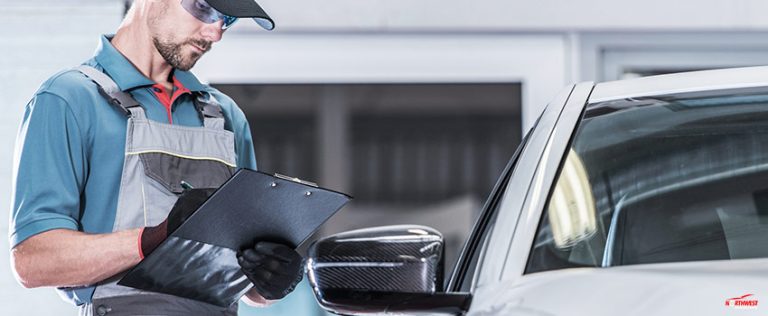
Cars are made up of many different parts, and to run smoothly, each part must be in a tip-top shape. If one part gets damaged, it can affect the overall car performance. This is where regular maintenance checks become important. Understanding your car’s needs and having a car maintenance checklist will help you spot potential problems, and quickly resolve them before they get out of hand.
Benefits of Regular Vehicle Maintenance
A vehicle Is a form of investment, so obviously, you want to make sure that it gets proper treatment through regular maintenance. In return, you get the following benefits:
1. Vehicle Life Extension
By following a regular maintenance program for your car, you can avoid costly repairs to such parts as the cooling system, transmission, drivetrain, and many others. Preventive care can also reduce wear and tear on the engine and other components, and this will extend the life expectancy of your vehicle.
2. Reduced Repair Expenses
While regular maintenance is inexpensive, unexpected repairs and replacements can prove costly. If vehicle maintenance is not performed, minor issues won’t be noticed, and these could become serious car problems later.
Regular maintenance gives you the opportunity to inspect your vehicle for any signs of damage and make quick repairs if needed. This helps reduce repair expenses and decreases the need to make an early replacement on any car part.
3. Increased Safety
Imagine your car suddenly breaking down one night while you’re driving down a lonely and deserted road. The thought is scary, but it can happen if you’re not strictly following your maintenance on cars list. Doing so makes you feel safer while seated behind the wheel, fully aware that a car breakdown is not likely and that your vehicle is always ready to take on the next outdoor adventure.
Car Maintenance Mistakes
If maintaining your car is a good thing, there’s also a wrong way of doing it. Some people have this tendency to overdo things that they come out totally wrong. Take a look at some maintenance errors as listed below:
1. Doing a Cold Engine Start
Starting an engine cold is where your car engine oil inside has turned cold often due to the weather or when the oil has had enough time to cool down after a previous start. Either way, doing a cold engine start is not good because it exposes the engine to early wear and tear. This is one car maintenance error that should be avoided.
Ideally, the engine should be revved up slowly until it warms up. At this point, step on the gas pedal slowly while keeping an eye on the temperature gauge.
2. Ignoring Bad Car Odors
Check first if the smell is due to an outside source. If not, it is important to have your car inspected as the strange odor could be a maintenance sign on your car. The smell could be due to a burning electrical wire, a mold that grew in your AC ducts, or an organic material rotting underneath the car mats or seats.
3. Topping Up the Engine Oil
Topping up your engine oil is a common practice of several service centers to make extra money and car owners often agree to this, thinking that they get to make significant savings. This is not good for your engine because the new oil gets mixed with the residuals of the old one which can only cause problems for your car.
The better deal is to drain all of the engine oil and replace it with a fresh new set. This will make your engine turn in an overall good performance when you’re on the road.
4. Speeding on Bumpy Roads
Facing a bumpy or a pothole-filled road is not an uncommon driving experience. It happens to every car owner; it’s how the experience is handled that makes the difference.
Slow motion driving is the best option under this scenario if you want to take care of your car. Slowing down when driving across rough terrains allows the suspension system to do its work of absorbing the shock of the driving. That’s why they were built into your car in the first place.
5. Doing a Reverse
In older cars, you’re not supposed to push the gear in reverse if your car is moving forward. Doing so can result in misaligned gears and a terrible if not dangerous driving experience. This does not include the cost involved in getting the gears re-aligned.
Thankfully, many modern cars have the reverse inhibit feature where the reverse gear can’t be engaged until the car has come to a full stop. Nonetheless, doing unnecessary reverse driving is hardly a good way of maintaining a car.
6. Not Using a Coolant
Sometimes, car coolants are not readily available, so a common car maintenance practice is to settle for water. Still, if you had a choice, it is best not to replace coolant with water.The former has antifreeze technology and acts as a corrosion inhibitor, protecting the vital metal parts of your car from damage.
7. Using Old Car Air Filter
Every vehicle these days has a built-in filter that helps keep dust and other particles out of your car so you can breathe clean air. This filter system can get dirty over time, and this is another maintenance sign on a car because it involves vehicle accessory functionality.
Clean cabin air filters can improve the quality of the air in your car by as much as 34 percent. Thus, cleaning the filter is a good idea, but if the performance remains unchanged, it may be better to have it replaced instead.
8. Driving on Reserve Fuel
This is a common car maintenance practice in some places, but is actually being discouraged. Using reserve fuel while driving can cause more damage to your car than you can imagine. If you have a diesel engine, using reserve fuel can ruin the seals, pumps, and injectors.
Diesel engines normally draw in a rich mixture of fuel and air if the former is not enough.This causes air buildup which can lead to fuel resistance when the engine attempts to draw this in. It is thus better to fill up your car tank with fuel so you don’t have to drive using the reserve.
9. Driving with Low Tire Pressure
This is the biggest mistake people make when trying to maintain their cars. Low tire pressure will not only lead to low fuel mileage, it also subjects your tire to early wear and tear since it gets more surface contact.
Low tire pressure can also cause other serious car problems, including steering wheel misalignment. If you feel that there is little air getting into your wheels, it’s time to get them refilled.
10. Using a Different Fuel
This isn’t a common mistake committed by many, although it’s a dangerous one. While it is rare that a petrol-based car will be filled up with diesel, it is possible and it does happen.
A petrol-based engine car uses spark plugs to ignite the fuel, while a diesel engine vehicle first compresses it before ignition can happen. This is due to the differences in ignition temperatures between the two fuel types. Thus, when petrol enters the chamber of a diesel engine, it will not burn properly. The engine will just start to expel black smoke through the exhaust pipe; not a welcome scenario considering the current state of the environment.
Northwest Collision Center Can Help You With Your Vehicle Maintenance Needs
If you’re concerned about the cost of maintaining your car, come over to Northwest Collision Center and see what we can offer you.
We have a wide range of vehicle maintenance services, including car repair. Our auto body repair St. Petersburg, FL, expert is always ready to help you out if this is what you require. Call us now to find out about all the other services that we have.