The appearance of an auto paint job reflects a vehicle owner’s personality.
Your car’s aesthetics are an extension of who you are. The way the paint looks leaves an impression on others. When you drive your car on the road, other drivers get a glimpse of how you treat your car. The paint also dictates the value of your four-wheeled investment.
Northwest Collision Center is an expert in automobile painting. If you can’t decide to keep the current paint job or get a new car paint job, we’re here to help. Discover the signs that a fresh paint coat is long overdue and why you should leave the work to experts.
Signs a Car Repaint Is Long Overdue
Much of your vehicle’s appearance relies on its paint job. Be on the lookout for the tell-tale signs of aging paint. There will come a time that you’ll have to take your car to the auto shop for a makeover. If you want to keep your car with you for years, then repainting your car will be beneficial.
Watch out for the following car paint damage types:
1. Fading Paint
Over time, your auto paint loses its shine and luster. However, car owners themselves usually don’t notice it as the fading happens gradually. Compare an old photo of your car to its current paint condition.
The lack of protection puts a car’s paint at risk of deterioration against nature’s elements, such as snow, wind, rain, and sun. If the paint no longer has the same pop of color, take it for a quick visit to your go-to auto shop.
2. Peeling Paint
Peeling paint is an indication that your car is begging you for a fresh coat of paint. The peeling usually happens after the paint has faded. A new car paint job is inevitable if you see the clear coat peeling from the base coat. Paint protection and proper maintenance help avoid this problem.
3. Major Scratches
Significant scratches in your car’s paint are an eyesore. If a high-speed polisher no longer buffs out the scratches on the surface, it’s time to consider getting your car painted.
If you’re uncertain about the severity of the scratch, wet your hand and wipe it over the scratch. If the scratch disappears for a short period, you may be able to remedy the problem. If the scratch doesn’t disappear, it means that it is too deep and too big—your best option is to get new paint on the car.
4. Bubbling Paint
Bubbling paint results from car paint oxidation taking place underneath all the layers of paint and the clear coat itself. Unfortunately, a lack of proper care leads to the disintegration of your car’s clear coating. Bring your car to an auto shop to refurbish the paint when you see bubbling paint.
DIY Paint Job vs. Professional Paint Job
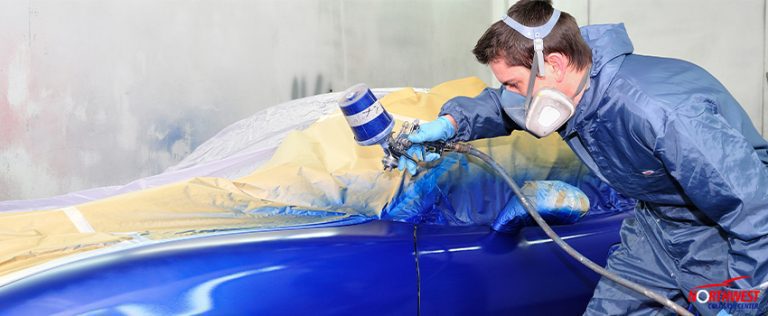
Restoring car paintwork comes with two options: a DIY and a professional paint job. Although painting a car seems like a task you can do on your own, it’s best to leave the work to the professionals. If you don’t know the basics and the preparation it takes, then by all means, hire a skilled auto painter.
However, if you plan to put your skills to the test, consult the internet for videos about how to restore car paint. Who knows? You might have the patience and skills to tackle such a major project.
Here’s a rundown of things to help you decide which path to take:
Downsides of a DIY Car Paint Job
1. Labor-Intensive
Painting a car is something that you shouldn’t do on a whim. It requires time, patience, preparation, and experience. The prep work is not the easiest because the way you prepare dictates the final results of the car paint. If this is your first time painting a car, chances are the finished product will not deliver satisfying results.
2. Ineffective Application Methods
When you see experts do a car repaint, they may make it look like it’s a piece of cake. Take aerosol spray cans, for example. The way professionals and amateurs use them yield different results.
Apart from that, experts use specialized equipment, which you may not have. It’s not practical to invest in something like that if you’re repainting only one vehicle.
3. Undesirable Environment
The environment where you’ll paint your car plays a significant role in the outcome of your paintwork. A speck of dust might result in obvious blemishes on a car’s surface. Temperature and humidity levels should remain consistent.
Make sure the area is free from airborne contaminants as the paint dries. Also, excess humidity may affect the paint curing process, leading to the sagging and running of auto paint in some areas.
Benefits of Hiring Professionals in Car Painting
1. Quality Work
When it’s time to say goodbye to your car’s old paint, choose professionals. You and your vehicle deserve the best. They guarantee the quality of their work. Every penny you spend is worth it.
Once experts are done with the new paint job on the car, you’ll be amazed at how different your car looks. There will be no uneven colors, poor consistency, and other novice mistakes with professionals on the job.
2. Proper Tools and Equipment
Painting a car involves a rigorous process. Even if there’s a possibility that you can do it, you’ll need more than a paintbrush and cans of paint to pull it off. Professionals have the proper tools and equipment to deliver the results you desire.
Save more money when you bring your car to a seasoned auto shop. With the right tools, your car will certainly look as if it hasn’t aged at all.
3. Right Color Shade and Type of Paint
Several types of paint are available with their characteristics, advantages, and disadvantages. It is best to choose one recommended by a professional. With experts, you’ll have peace of mind knowing your car is getting the right type and shade of paint.
Don’t skimp on the care of your vehicle. Professional work lasts anyone for years. Your new paint job will undoubtedly have other car owners’ attention. If you skimp, it may not be long until you see car paint damage types.
4. Maintains Car Value
Bring new life to your vehicle. Giving your car a makeover will maintain or even boost its resale value. If you think you’ll be selling it in the future, then invest in fresh paintwork once in a while.
Buyers will be on a bidding war when they see your car is a great bargain. Keep up with the proper maintenance of the exterior and interior. As such, you’ll earn more money from your car once you put it up for sale.
The Cost of Getting an Auto Paint
How much is a paint job on a car?
Basic car painting might cost you around $300 to $900. If your car needs more work, the estimated costs might reach up to $1000 to $4500.
Several factors affect the total price you have to pay, such as paint finish, size, paint color, and the caliber of the auto shop. Know the upfront cost of the paint job by bringing your car to an auto shop in your area.
Ways to Protect Your New Auto Paint Job
A new paint job is an investment. With proper upkeep, you help maintain your car’s new luster and richness for a long time. It’s important to know how to protect your new paint job.
Here are different ways to protect your car’s paintwork:
1. Wash and dry your car regularly.
If you drive your car every day, washing it once every week is good practice. Washing helps reduce the rather harmful effects of UV rays. It also helps keep your car paint spotless by removing dust, grimes, and dirt buildup.
Here’s how you should do it:
- First, park your car in an area with shade — away from direct sunlight.
- Next, use a clean and soft cloth to wipe down the car’s surface. You can also wash it down with clean water.
- Use the appropriate automotive cleaner to give your car a thorough wash. Avoid using dish soap or detergent to protect the paint from harsh chemicals.
- Gently remove bird droppings and hardened mud. Using a no-salt seltzer, automotive clay bar, or an automotive cleaner is effective.
- Rinse and dry from top to bottom. Use a microfiber towel or a clean cloth to preserve your auto paint job.
2. Use paint sealant.
Paint sealants are like car wax. The only difference is that paint sealants are easier to use. They also work well with car polish and wax.
A paint sealant creates a glossy look. However, paint sealant highlights any paint imperfections. So, it is best to maintain your new car paint from the start. You only have to use a paint sealant every six months.
3. Polish with wax if necessary.
Waxing your car once in a while not only preserves its luster, but wax also serves as an extra layer of shielding from UV rays, bug splatters, and bird droppings. Ask your go-to auto shop for good car wax recommendations.
4. Apply synthetic coating for additional protection, if possible.
When you are ready to cover the bad paint job on the car, bring your car to your trusted auto shop for a professional paint job. Ask the staff for good suggestions for paint protection. They may offer synthetic or ceramic coating to keep your automobile’s new paint job safe from contaminants.
If installed professionally, a synthetic coating may last you for five years. It also keeps your car’s paint job looking good with minimal effort.
5. Park your car right.
Another way to protect your new car paint job is by choosing where you park your car. Park your car in the shade. You may also park your car straight in your garage. Doing this protects your car from acid rain, bird droppings, and UV radiation.
6. Invest in a car cover.
Do thorough research if you want to invest in a car cover. Certain car covers may scratch your new paint on car. Choose a car cover that is water-resistant and has a good breathability rating.
Aside from those tips, make sure it fits well on every corner of your vehicle. Anything too big will not serve its purpose.
Why Choose Northwest Collision Center
How much does it cost to get a car painted? Northwest Collision Center has answers to such questions and everything else you need to know about giving your car a paint job.
Our team provides quality auto paint in St. Petersburg, Florida. We take pride in our digital color matching service. We match the right paint color from the previous one with this technology. Our team of auto painters gives you the transformation your vehicle deserves.
Bring your car to Northwest Collision Center today. We can’t wait to serve you!