Knowing how to clean car upholstery and every inch of your car maintains its appearance and keeps it comfortable.
Aside from oil changes and regular maintenance schedules, it is also important to take care of your car’s appearance — from car paint to upholstery. Keeping everything well-maintained will preserve your car’s function and value. Your go-to auto body repair shop may take care of that for you.
Your car’s upholstery gives your car a unique and fresh look — all the more reason you should maintain them. Understanding that different car upholstery types require specific care instructions is essential for car owners. Find out the different types of upholstery and how to clean them here, with this guide that Northwest Collision Center has put together for you.
Importance of Quality Car Upholstery
Car upholstery protects car parts from regular wear and tear, keeping costly repairs at bay. There are different car upholstery types — all of which are great investments. They do more than boost the appearance of a vehicle. As car upholstery is designed to last for many years, it is best to weigh your options.
You should know the best way to clean car upholstery when you already have your pick. Here are some of the reasons top-quality car upholstery is important:
1. Durability
You can never go wrong with quality car upholstery. They can withstand the test of time and provide your car with sufficient protection. Car upholstery requires little maintenance while making your car seats more comfortable and pleasant to the touch. There is a wide range of options you can choose from depending on your needs and lifestyle.
2. Personalized
The good thing about the different types of car upholstery is that they’re customizable according to your preferences. They allow you to choose the color, design, embroidery, and engraving. Add a personal touch when you decide to change your car’s interior.
3. Transformation
Fresh upholstery gives any car a brand-new look. In most cases, car owners opt for new car upholstery when their car’s original upholstery has worn down. Transform your car with your choice of fabric.
4. Car Value
If you plan to sell your car in the future, quality car upholstery is a surefire way to retain your car’s value. The elegance brought about by car upholstery guarantees you can sell your car for a higher value than when you just have the original upholstery.
Different Car Upholstery Types and How to Clean Them
As previously mentioned, the different types of car upholstery require different cleaning methods. Here’s an overview to get you started:
1. Nylon
Nylon is the most common car upholstery, and it remains one of the crowd favorites because it is durable and low maintenance. However, its porous characteristics make it susceptible to dirt and debris. It requires simple cleaning to maintain its look.
Vacuuming it from time to time is essential to maintain clean car upholstery. For deep cleaning, a combination of mild detergent and warm water will do. Dip a sponge and scrub the nylon upholstery. Wipe it down with a dry cloth afterward.
2. Vinyl
Car owners also turn to vinyl as their automotive upholstery because it is easy to clean. A cleaning towel or a damp cloth will suffice. It is non-porous, so you won’t have to worry about trapped debris and dirt compared to other types of car upholstery. Since it is made of synthetic plastic, it is stain and moisture-resistant.
It is a breeze to do regular cleanings using almost any household disinfectant available. However, its close-bond property makes vinyl an uncomfortable automotive upholstery during humid months. Vinyl can stick to bare skin. However, they’re suitable for family or delivery vehicles as cleaning and disinfecting are hassle-free.
3. Faux Leather
Faux leather has the sophisticated look of genuine leather — minus the complicated cleaning process. This material remains one of the top options for luxury car owners and people who want leather looks without the strenuous maintenance requirements.
If you’re wondering how to clean car upholstery, this type calls for a duster, a vacuum, a mild detergent, and a clean cloth. For loose dirt, use the duster to get rid of them. Then, prepare the vacuum to eliminate dirt and debris stuck in hard-to-reach areas. For set-in stains, blot it using a clean cloth and mild detergent.
4. Polyester
Polyester is one of several types of car upholstery. It features microsuede fabric, which is synthetic fiber. The loop-shaped fibers have both upsides and downsides. Different industrial and commercial applications maximize this fabric.
They’re absorbent yet water-repellent. This characteristic makes polyester challenging to maintain. The best way to clean car upholstery is by using a damp cloth and a microsuede-specific cleaning solution. Regular cleaning may make maintenance easier.
5. Leather
Leather is a popular choice for luxury car owners. This one is high-end in terms of price. If you want clean car upholstery, follow the special aftercare made for leather. Steer clear of everyday household cleaning products to preserve the value and beauty of leather upholstery.
Use a clean cloth to wipe down debris and dirt on the surface. Cheap cleaning products may crack and damage the natural leather. This method will help keep the leather material from warping. Finish off the cleaning process using the right leather cleaning solution — the best way to clean car upholstery.
How to Clean Car Upholstery Stains
A spill quickly turns into a stubborn stain when neglected. The ease of cleaning depends on the type of stain, how embedded it is on the fabric and your cleaning tools. With some effort and know-how about how to clean car upholstery stains, you’ll be able to get the stains out of your upholstery.
Method #1: Commercial Stain Removers
Here’s how to clean car upholstery stains using commercial stain removers:
- Scrape or vacuum the stained area. Scraping or vacuuming the stain will allow you to see how deep-seated the stain is. The vacuum will also get some stains while it’s dry. If the stain is wet, refrain from scraping or vacuuming.
- Blot the stain. Blot it using a damp rag or a paper towel. Brushing or rubbing the stain is a no-no as it may push it deeper.
- Use a commercial stain remover. The best way to clean car upholstery stains is by using the appropriate commercial stain remover. Check the packaging instructions before using it.
- Rinse thoroughly. Use a damp clean cloth to dab the area. Finish off with a good rinse using clean water.
- Dry the stained area. Get rid of the excess water using a towel or paper towels. Press the towel on the wet area to absorb moisture. Leave it to air dry.
Method #2: Homemade Cleaners
Aside from commercial stain removers, you can also use homemade cleaning solutions. Here’s how:
- Use baking soda. It is effective in absorbing some staining compounds. Sprinkle it on the stained area. Make sure that it is well-covered.
- Mix water, detergent, and vinegar. This mixture is effective in removing several stains. Mix a gallon of warm water, a cup of vinegar, and a tablespoon of dishwashing detergent.
- Rinse the stained area. Use a small amount of water to rinse the area. Dab it using a clean cloth. Avoid putting in too much water for an easier and shorter drying time.
- Leave it to dry. Like with commercial stain removers, use a clean towel to remove excess moisture. Make sure everything is dry to avoid unpleasant smells and mold growth.
Different Types of Stains and How to Handle Them
Knowing how to clean car upholstery properly will save you time and resources. It will also keep you from the headache of dealing with stained automotive upholstery. Here’s how you should handle different types of stains:
Vomit Stains
Anything can happen. When someone gets carsick and vomits on your car, take care of the vomit stains right away to prevent it from setting in your car’s upholstery. Wipe up the vomit and use cold water to dilute the vomit stain. Wash the stained area with warm water. If there are still traces of the stain, blot it with baking soda.
Coffee Stains
If you’re wondering how to clean car upholstery with coffee stains, dilute it with cold water and use a paper towel to blot it. Apply a glass cleaner and let it sit for 5 minutes. Blot the stain once again to remove more of the stain.
Ink Stains
For ink stains, rubbing alcohol or hairspray mixed with water will work. Blot the stain using a damp, clean cloth. Be careful when doing this to avoid ink from running or spreading on your vehicle’s upholstery.
Blood Stains
It is important to know how to address blood stains as they are difficult to remove. If you want clean car upholstery, remove blood stains before they set in. Soak a clean cloth in cold water and blot the stains. Do it until the stain is gone.
Grease and Oil Stains
Food grease and lipstick stains are some of the common things that can stain your car’s upholstery. Achieve a clean car upholstery by addressing grease and oil stains this way:
- Use a cotton cloth and a paint thinner that has been watered down — equal water and paint thinner parts.
- Rub the solution onto the stain.
- Cover it with cornmeal and salt and leave it overnight.
- Vacuum the stain afterward.
How to Clean Car Upholstery: Valuable Cleaning Tips
Having clean car upholstery provides you with a comfortable, safe, healthy ride. Regular and proper cleaning will keep your car smelling fresh. If you don’t want your beloved car to harbor any unpleasant odors, then routine cleaning is a must. A clean car interior makes car rides enjoyable for you, your loved ones, or your clients.
Maintain your car’s healthy environment by cleaning dust, stains, dirt, and grime. Here are some helpful tips for cleaning different types of car upholstery:
1. Vacuum the interior regularly.
The best way to clean car upholstery is vacuuming. Vacuuming regularly gets rid of things that stick to your shoes. Aside from vacuuming the car seats, including the floor mats and carpets.
Do the same for the car doors, center consoles, and dashboard. Be mindful of the suction power for different types of upholstery fabrics.
2. Take care of spills right away.
When food or liquids get spilled in your car’s upholstery, remove the spill using paper towels or a clean cloth immediately. Blotting the spill is better than wiping it off because it might make the spill seep deeper through the fabric.
Don’t let the stain sit for long as it will only make it impossible to remove. A mild detergent may work. If it doesn’t work, you may need professional cleaning services.
3. Don’t forget to treat the stains.
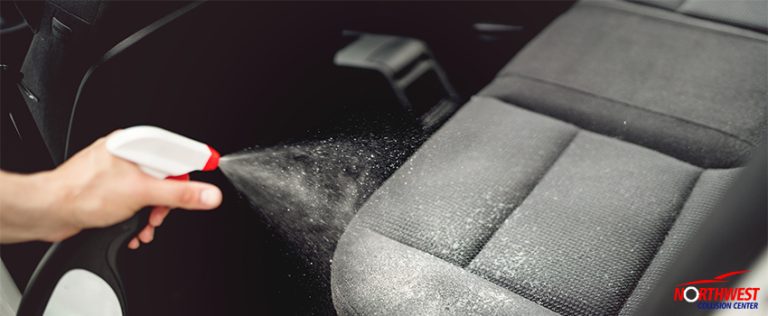
If there are spills and stains on your car’s upholstery, you should know how to clean car upholstery stains. Pre-treating stains gives you the best chance of removing them completely. An upholstery-appropriate cleaner and a soft brush may work.
Be careful when scrubbing to preserve the upholstery of your car. If you’re unsure whether the cleaner is suitable for the type of upholstery you have, try it on a hidden spot.
4. Address the source of the foul odors.
Crumbs, liquid spills, and dirt accumulate over time. There may also be urine, vomit, and the smell of your pet. Commercial odor removal products and cleaning may eradicate the unpleasant smells, keeping your vehicle smelling good.
5. Be open to trying homemade solutions.
If there are stains you need to address right away, but you’ve run out of your go-to stain remover, try DIY cleaning solutions. You can use a mixture of water, vinegar, and dish soap. Use a microfiber cloth to dab the excess water. Spray on stained areas, scrub with care, and rinse them with clean water. There are several internet guides about how to clean car upholstery stains.
6. Don’t soak the fabric in water.
The less amount of water you use, the better it is for your car seats. You may use dry foam cleaner for cloth car upholstery types. Soaking the fabric and the foam could result in mold growth as they won’t dry properly.
A great bonus is that dry foam cleaners come with soft brushes — making cleaning easier. Ensure that you use the proper cleaning solution to achieve clean car upholstery.
7. Consider using seat protectors.
Seat protectors are an excellent layer of protection for different car upholstery types. Using these eliminates the need for daily cleaning. There are seat covers that are made for specific car models. Choose the one that fits perfectly on your car seats for maximum protection.
Northwest Collision Center Has All Car Upholstery Types Covered
If you’re looking for quality auto body repair in St. Petersburg, FL, choose us.
We provide auto detailing and auto restoration services. Our well-trained technicians and restoration experts know how to handle different types of car upholstery. With us, retaining the value and look of your car is easy.
Northwest Collision Center has years of experience, skills, and certifications to perform top-of-the-line auto body repair services. Our team will save you from the trouble of removing the stains from your upholstery. We will also provide you with recommendations that fit your budget and needs.
We have the technology to cater to many car brands and models. With our guaranteed lifetime warranties and completion dates, you’re in good hands. Leave your car’s upholstery to the professionals. Call us today!