A major vehicular accident can mean more than just serious physical injuries. It can also result in a badly-damaged car with its frame heavily bent.
Understanding the concept of auto frame straightening becomes essential in such a situation. This particular repair process offers an effective solution to restore the car’s structural integrity.
What Is Frame Straightening?
Frame straightening is realigning and repairing an automobile’s bent or damaged frame to its original specifications. When a car is involved in a collision, its frame can become distorted, compromising its structural integrity and overall safety.
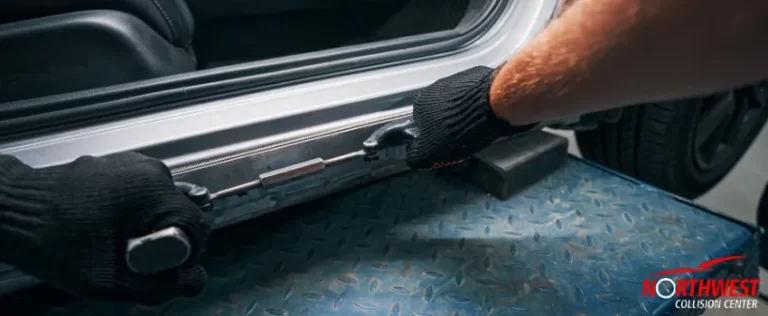
Skilled technicians use hydraulic presses, laser measuring systems, and other precision tools to apply controlled force in a typical auto frame straightening process. They also make incremental adjustments to the damaged car frame during the process. Doing so will ensure the frame aligns precisely with the manufacturer’s specifications.
By restoring the frame’s structural integrity, frame straightening improves the vehicle’s overall appearance and enhances its safety and performance on the road.
How Car Frame Straightening Works
The process involves following a systematic and precise approach to repair a vehicle’s bent or damaged frame. It begins with thoroughly assessing the frame’s condition, using advanced tools such as laser measuring systems to identify the damage’s extent and location.
Once the assessment is complete, skilled technicians use hydraulic presses and specialized pulling equipment to apply controlled force to specific points on the frame. This force gradually straightens the frame, returning it to its original shape and alignment.
Throughout the process, measurements are constantly taken to ensure the frame is straightened according to the manufacturer’s specifications. When this part of the repair is successfully completed, additional fixes may be performed to address any other associated damage.
Car Frame Parts Subject to Damage
The frame of your auto is composed of different parts. Many of these can end up damaged after a collision. They include the following:
1. Main Rails
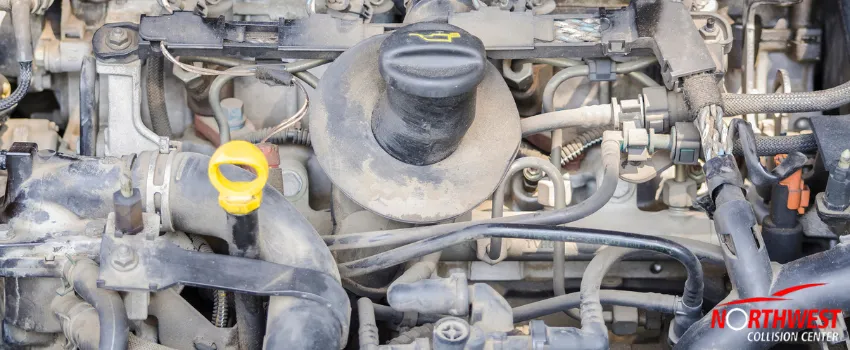
The main rails are the backbone of the car’s frame structure, running from the front to the rear. They are particularly vulnerable to damage in high-impact collisions as they absorb and distribute the force of the impact.
2. Cross Members
These are horizontal beams that connect the main rails, providing additional support and rigidity to the car frame. They can also be damaged in collisions, affecting the overall strength and stability of the frame.
3. Suspension Mounts
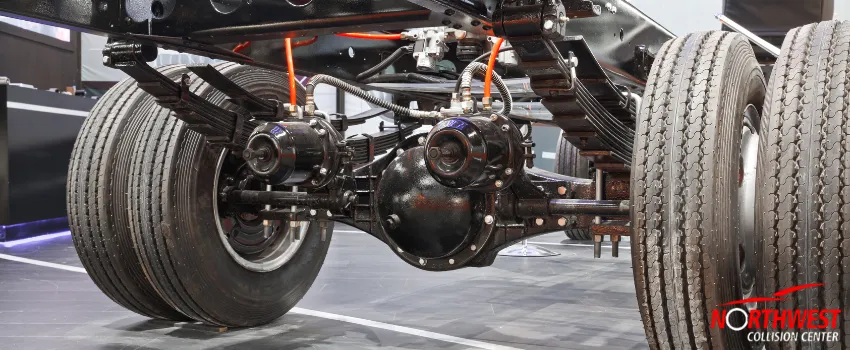
Suspension mounts are critical components that attach the vehicle’s suspension system to the frame. A collision can cause these mounts to bend or become misaligned, which requires a car frame repair.
4. Shock Towers
Located at the front and rear of an automobile, shock towers provide support for the suspension system and absorb impact energy. Damage to these can lead to misalignment of the suspension components and affect the vehicle’s stability and ride quality.
5. Engine Cradle
This serves as the mounting point for the engine and transmission. In a collision, the cradle can be damaged, leading to misalignment of the powertrain components and potential issues with engine performance.
Can a Car Frame Be Straightened?
A car frame can usually be straightened, but it will depend on several factors. These include the severity of the damage, the type of frame construction, and the availability of specialized equipment and skilled technicians.
In less severe collisions where the frame has sustained minor distortion, several auto body frame straightening techniques can be used to restore a car’s original shape and alignment. However, in instances where the damage is too severe, the best option may be to replace the car frame or even the vehicle itself.
Is It Worth Fixing a Car with a Bent Frame?
Deciding whether it is worth getting a car frame repair for a bent frame depends on various factors. One significant consideration is the extent of the frame damage and its impact on the vehicle’s structural integrity. If this is too severe and compromises the car’s safety or performance, replacing the frame or even the entire auto would be more practical.
Additionally, the cost of auto frame straightening should be taken into account. Apart from the tools to be used and the extent of the damage, labor expenses will inevitably come into the picture. Nevertheless, there are cases where the financial aspect of fixing a car with a bent frame is hardly an issue. Often, this is because the car holds sentimental value or has unique features.
How Much Does It Cost to Replace the Frame of a Car?
The cost involved in a typical car frame replacement process can vary significantly. The vehicle’s make and model, the damage’s extent, and the availability of compatible replacement frames are some key considerations. Moreover, labor costs, which can vary based on the geographic location, and the technicians’ expertise, will also contribute to the overall expense.
Can an Auto Body Shop Straighten a Car Frame?
Many auto body shops can perform auto frame straightening. These shops often have the expertise, specialized equipment, and trained technicians necessary to extend this crucial repair service.
In this regard, you should choose a reputable and experienced auto body shop with a track record of successfully performing frame straightening on damaged vehicles. It’s also good if the car shop can provide an accurate estimate of the repair costs involved.
Key Takeaway
The combination of technician expertise, precise tools, and meticulous attention to detail makes the car frame straightening process highly effective. Unfortunately, these factors can also cause your repair expenses to increase considerably.
Given this, obtaining quotes and estimates on the potential costs is vital. Doing so will help you decide whether the car is worth fixing or if a car frame replacement is a more viable option.
Head to Northwest Collision Center if you have a distorted car frame that needs immediate repair.
A damaged car frame resulting from the impact of a collision is a serious problem. If you find yourself in this situation, don’t delay seeking professional assistance from Northwest Collision Center.
Our auto body repair Largo, FL, team specializes in various repair services, including frame straightening. With our state-of-the-art equipment and expertise, we can assess the extent of your car’s damage and provide the best course of action. Call us now.