When it comes down to it, a car is nothing but a means of transportation, but try telling that to the millions of Americans who value their cars as one of their most treasured possessions. Many Americans form a curious attachment to their cars and become obsessed with their appearance.
We often judge a car by how it looks as much as we do by how it runs. A car’s appearance is determined by its body or its panels, as these parts of the car are the most visible. So, it makes sense to keep your car’s bodywork in as pristine condition as possible.
The automotive repair business in America generated $21 billion in revenue in 2019 and is expected to grow substantially in the coming years, even with the move toward electric vehicles.
This article will highlight everything you need to know about car bodywork and provide details on what to do if your car’s bodywork should be damaged and needs repairing.
What is Car Bodywork?
Bodywork refers to a motor vehicle’s external body or shell. Generally, this will mean steel panels attached to the car frame. Bodywork can also refer to repair work when car panels are damaged.
Typically, car bodywork is composed of steel panels; however, it may also include fiberglass and plastic. When a car’s bodywork is damaged, you can try repairing it yourself or take it to a car body repair shop, where they have the necessary equipment and expertise to do the repair work quickly and professionally.
How to Repair Body Damage on a Car?
Body Filler
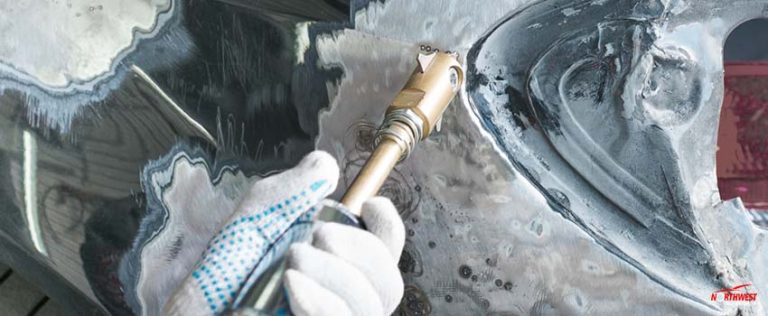
Perhaps the most common form of car body work repair s body filling. Body filler is composed of two parts; one part is a polyester resin, and the other is a hardening agent. When the resin and the hardener are mixed, it forms a putty that is applied to fill the dent or hole. The putty is then sanded, smoothed, and painted over.
Paintless Dent Repair
Paintless dent repair is a process where a dent is beaten or pushed out from the underside of the dent. Paintless dent repair is a popular option primarily because it does not involve using a body filler or paint, making the process easier and quicker. Paintless dent repair can only be used for shallow dents as deeper dents typically require body filler and painting over.
Window Repair and Replacement
When driving out on the road, it is common for rocks, stones, or other hard objects to hit windscreens or windows. The impact can damage the glass, causing scratching, chipping, cracking, and shattering. Windows can also be damaged by extreme weather, such as hail storms, strong winds, and flying objects.
Windows are a crucial part of the driving experience and perform an important safety role. Windshields and windows protect the driver and passengers from the outside elements and improve visibility.
Paintwork
Appearances matter; the most crucial element is the paintwork when it comes to a car’s physical appearance. The paintwork makes a car look more appealing, adds value, portrays an image, and protects the car’s body.
Fresh gleaming paint makes the car look shiny and new and gives the driver a feeling of driving a new car. However, the problem with paintwork is that it can easily be damaged or get dirty. For example, it can get chipped from hard flying objects, scratched, faded from prolonged exposure to the sun, dirty from dirt, dust, debris, and bird droppings, or ruined by a car crash.
A car body work repair shop can touch up a car’s paintwork or completely redo it if this is required. Qualified auto body workers can repair any damage to your car’s body and estimate what painting needs to be done, how long it will take, and how much it will cost.
Extensive Damage Repair
If a car is involved in an accident, there will be damage, which can be minor or significant. If there is damage to a car’s body, it is always best to go to a professional auto body repair shop rather than try to do the repairs yourself.
A professional car body work repair shop has workers with the necessary experience and specialized equipment to repair, restore, or install new body panels. Importantly, body repair workshop personnel will look past the obvious visible damage and ascertain if there is any unseen structural damage, such as bending or cracking of the car’s frame.
In short, professional car repair centers can restore your car’s aesthetics, safety, durability, and functionality.
Bumper Bar Replacement
Bumper bars are designed to absorb and lessen the impact when a collision occurs, and in so doing, they get damaged. The bumper bars are the most commonly damaged part of a car when it is involved in a collision. A professional car repair center will repair bumper bars and check the car’s frame to which the bumper bars are attached.
Frame Alignment and Repair
The car frame is the foundation to which everything is built or connected. If exposed to heavy impact, a car’s frame can become bent, cracked, or simply out of alignment.
Repairing the integrity of a damaged car frame is essential to maintaining safety for drivers and passengers when inside a moving car. A professional car body work repair shop can examine your car’s frame, identify any damage, and make any necessary repairs. Typically, the types of repairs will include straightening and strengthening.
Car Body Work Repair Kit
If your car’s bodywork is damaged, it is highly recommended to take it to a car body work repair shop. However, if you want to attempt repairing it yourself, you can purchase a car bodywork repair kit. These kits will typically include a body filler, metal body patches, and a spatula device for applying, spreading, and smoothing the filler.
How Much Does Car Body Damage Repair Cost?
The cost of repairing car body work will vary according to several factors, including:
- The extent of the damage
- What part of the vehicle is damaged
- Labor costs
- The type or make of the vehicle
- The location of the auto body repair center
Conclusion
Typically the repairs will cost anywhere from $75 to $3,000, depending upon the abovementioned factors. The automotive repair business generates a revenue of over $20 billion, and analysts estimate that approximately 234,700 auto maintenance and repair businesses are currently operating on the American mainland.
Car body work repair is a highly specialized field where workers undergo thorough training in using specialized tools and specific repair techniques.
Car bodywork repairs? Leave it to the experts like Northwest Collision Center.
While it is possible to repair minor dents yourself, it is highly recommended that any auto body repair work be left to experts like Northwest Collision center, a dependable auto body shop in Largo, FL. This professional auto repair center has the training, equipment, and expertise to repair your car to its original showroom condition.
Even if your car bodywork appears only slightly damaged, it’s worth having it checked out by professionals who know what to look for and will spot any damage not seen by the untrained eye. Furthermore, the experts will repair your car to a good as new condition as quickly as possible.