There’s no telling when road accidents will happen.
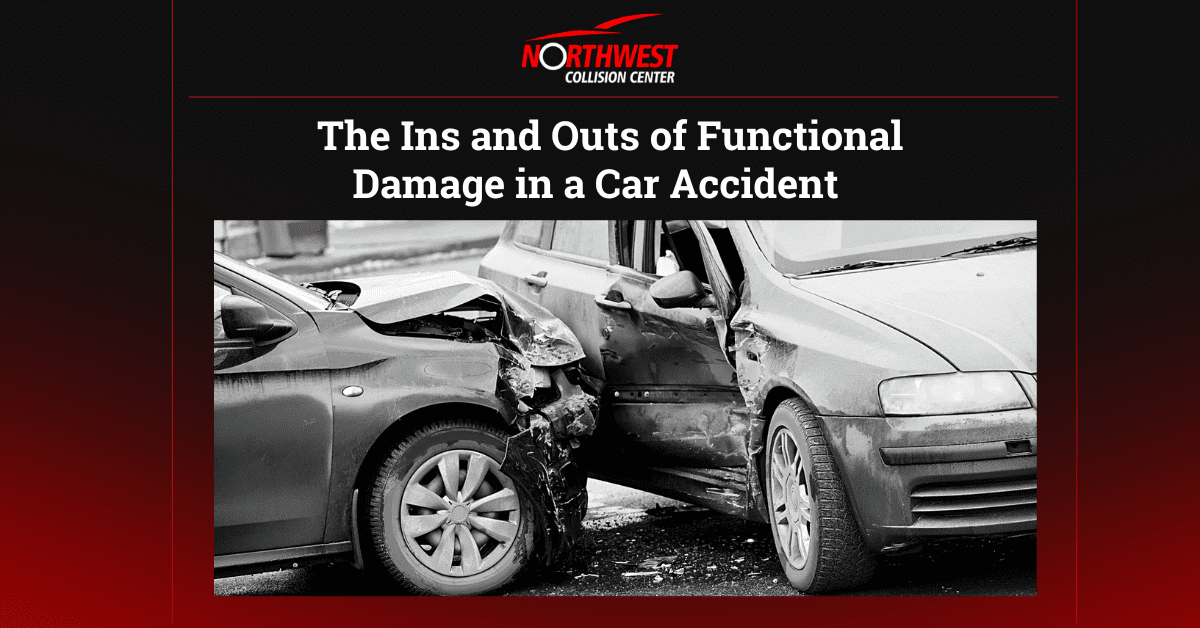
Aside from the superficial damage to your car, the impact of the collision may affect the frame of your car. The frame serves as the skeletal structure of your car, giving it a sleek appearance. Car manufacturers design the frame with “crumple zones.” These crumple zones absorb the impact. They also serve as protection for the driver and passengers during a collision.
More often than not, collisions cause misalignment to the car’s frame. A damaged frame will only cause further accidents and injuries. Any alterations in the frame are considered “frame” damage. Find out about frame straightening costs and more here.
What Is Frame Damage?
Frame damage occurs when there is a tremendous impact due to a collision. The frame of your car is engineered to factory specifications. It provides strength and stability to protect the car’s occupants during an accident. Any impact to your car will weaken the frame and may push certain parts out of alignment.
When you’re involved in a road accident, bringing your car to an auto body repair shop is important. Don’t use the car until you have it inspected by professionals. This may put your life and others at risk.
What Is Car Frame Straightening?
It is a type of collision repair to reverse the damage to the car’s frame. A seasoned auto body repair mechanic will determine if your car needs frame straightening. This will guarantee that your car is in proper alignment. Straightening the frame will also bring back the frame’s integrity. You’ll have peace of mind knowing your car will be able to withstand any kind of impact.
What Are the Components of a Car’s Frame?
There are two styles of car frames: the ladder frame and the unibody frame. Ladder frames are older frames for cars. They’re widely used in bigger vehicles like trucks. Compared to a unibody frame, it has higher resistance and more strength.
A car with unibody frames means that the body and frame are a single entity. You will not be able to drive your car in a straight manner. It is impossible to “straighten” a unibody frame — but other auto repairs may be doable.
Let’s move on to the specific components of a car’s frame, which are the following:
- Apron
- A, B, C pillars
- Firewall
- Floor pan
- Hood
- Quarter panel
- Core support
- Rear support
- Rocker panel
- Unirail
- Strut tower
Damage to any of these components will affect the performance and integrity of your car.
When Is Auto Body Straightening Necessary?
Any significant force that causes the frame to misalign means that you need a frame straightening machine to fix the problem.
Here are some instances where you need to bring your car to an auto body repair shop near you:
- Front-end collision resulting in the twisting or sagging of the front frame
- Corner hit resulting in sway damage
- Head-on or rear-end collision resulting in mashed frame damage
Some damage to the frame is not obvious. A misaligned car frame renders a car unsafe for driving. It may even affect the approval of your insurance claims if you get involved in another accident. In some cases, driving a car with a compromised frame is a criminal offense. It is best to have a car mechanic inspect every inch of your car.
How Does the Machine Work?
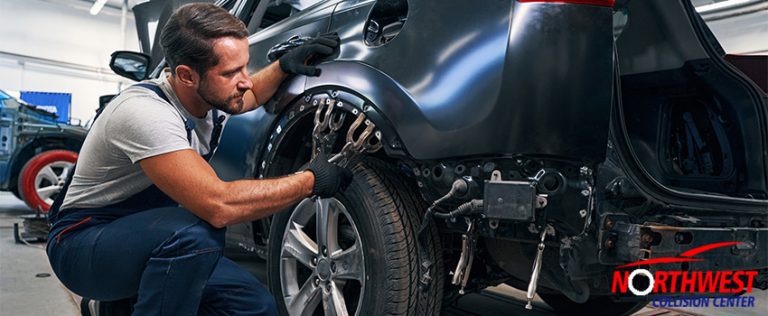
The technicians will use the machine to elevate your car. There will be movable upright posts around the car to fix the problem areas. Automation and laser technology will determine the extent of damage from the collision. It will also show the necessary adjustments to rectify the misalignment to the car’s frame.
Auto body experts will secure your car onto the platform. Chains connected to the posts are attached to the vehicle’s frame. A technician will adjust the posts, thereby increasing the pressure from the chains. This will pull the frame back into alignment. The posts have hydraulics giving them enough power to restore the frame.
How Much Does Frame Straightening Cost?
The cost of the repair varies depending on the extent of the damage. Usually, the total repair costs range from $500 to $750 (including other repairs). If you want an exact amount, bring your car to an auto repair shop for a thorough diagnosis and evaluation.
Will My Car Be Safe To Drive After Frame Straightening?
Yes. Once a qualified mechanic is finished restoring your car’s frame according to factory specifications, you’ll be good to go. They have the tools and equipment to straighten the entire frame. They also use electronic measuring systems to guarantee accuracy and precision.
Bringing your car to the experts right away is the best course of action. Don’t sacrifice your safety while driving. Find out how much damage the collision has caused, and let the experts make the necessary repairs.
Contact Northwest Collision Center Today!
Don’t second-guess when it comes to your safety.
We are one of the most trustworthy auto body repair shops in St. Petersburg, FL. Entrust your car’s care to us! Call us now, and we’ll see what we can do for you and your car.