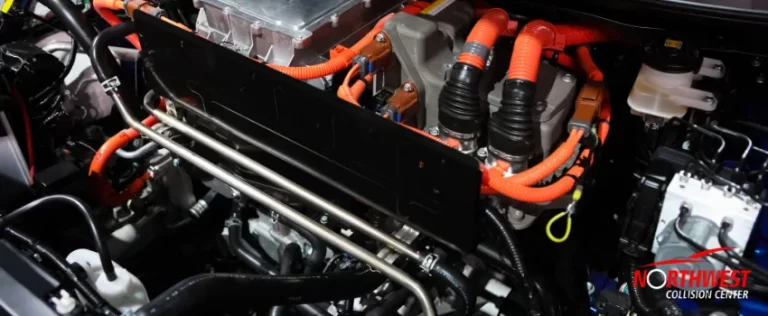
Electric cars are becoming popular nowadays as society strives towards more sustainable transportation options. With their rising prominence, the type of motor for an electric vehicle has become a topic of significant interest.
Electric vehicles typically use a direct current (DC) or an alternating current (AC) motor. The choice between these two motor types can substantially impact the EV’s overall performance. Therefore, a DC vs AC motor comparison is crucial.
What Are DC motors?
DC motors are where the electric current flows in one direction. These motors have been widely used in various applications for many years and are known for their simplicity and reliability.
What Are AC motors?
AC motors work on converting electrical energy into its mechanical form using the principles of electromagnetic induction. These motors rely on an alternating current power supply, where the direction of the electric current periodically reverses.
What Is the Life Expectancy of an Electric Motor?
The life expectancy of an electric motor can vary depending on factors like its quality, design, operating conditions, and maintenance practices. Generally, however, electric motors are designed to have a long service life.
Thus, when an AC vs DC motor comparison is made, both types are durable and reliable. With regular inspections and adherence to recommended maintenance schedules, electric motors can have a life span ranging from 30,000 to 40, 000 hours.
Which Type of Motor Is Best for EVs?
With electric vehicles, two types of motors are commonly used. The first type is the Brushless DC (BLDC), run by direct current. The second one is the Permanent Magnet Synchronous Motor (PMSM). It is a synchronous motor powered by alternating current produced when the constant and the rotating magnetic fields interact.
A quick DC vs AC motor comparison should show that the PMSM, which is AC-based, is considered the better choice for EV applications. This motor type is known for its high efficiency, compact size, and excellent power-to-weight ratio.
What Is the Most Efficient Motor for EVs?
When it comes to electric vehicles, the most efficient motor option is one operating on alternate current, and the Permanent Magnet Synchronous Motor fits the bill. PMSMs offer several advantages that contribute to their high efficiency. Firstly, they use permanent magnets in the rotor, which generates a strong magnetic field with minimal losses.
Secondly, PMSMs have a high power-to-weight ratio, meaning they can deliver substantial power while remaining lightweight. Finally, PMSMs allow precise control over motor speed and torque, enabling efficient energy management.
What Are the Common Causes of a Motor Breakdown?
EV motors are not invincible and can eventually encounter issues that can result in the following:
1. Overheating

Excessive load, inadequate ventilation, or high ambient temperatures can cause motor overheating. The excess heat can lead to insulation degradation, bearing failure, or even motor winding damage.
2. Electrical Overload
An overloaded motor for an electric vehicle means that its rated current has exceeded the mark, which can result in breakdowns. This can occur due to improper motor sizing, sudden load spikes, or operating the motor at prolonged high load levels.
3. Bearing Failure
Bearings support the rotating shaft of an electric vehicle motor and are prone to wear and tear over time. Inadequate lubrication, contamination, and misalignment can lead to bearing failure.
4. Voltage Fluctuations
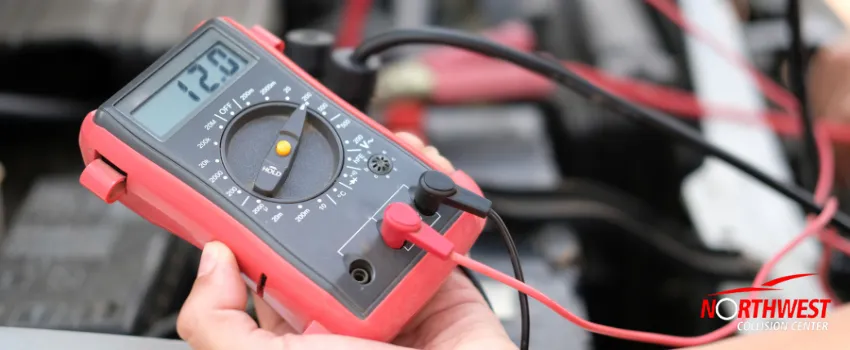
These can have detrimental effects on motor performance and life span. Low voltage can cause the motor to draw higher currents, leading to overheating and increased wear. High voltage can result in insulation breakdown and damage to motor windings.
5. Moisture and Contamination
Exposure to moisture, dirt, or other contaminants can compromise EV motor performance and reliability. These substances can corrode electrical connections, degrade insulation, and hinder proper cooling.
6. Insulation Failure
Insulation breakdown can occur due to voltage surges, overheating, or aging. When the EV insulation system begins to deteriorate, the risk of short circuits increases, leading to motor breakdown.
7. Mechanical Misalignment
Continuous operation and mechanical stress can cause EV components such as belts, gears, or couplings to wear out or become misaligned. These issues can lead to excessive vibrations, increased friction, and ultimately motor breakdown.
Key Takeaway
It’s easy to determine what type of motor is used in electric vehicles. This is because EVs only have an AC or a DC motor. Both have unique characteristics that impact the performance, efficiency, and, ultimately, longevity of an electric vehicle.
By using a DC vs AC motor chart for comparison, you can determine which of the two motor types can offer a longer life for your EV. However, you must note that motors can experience wear and tear over time, leading to eventual breakdown or failure. When this happens, it’s best to consult a professional auto repair shop on the best course of action to take.
Rev up your electric car motor at Northwest Collision Center.
Just like the standard car, the motor of an EV can suffer from deterioration. If you’re in a similar situation, Northwest Collision Center is your go-to auto repair station.
If your EV is from Tesla, our Tesla auto body repair shop in Clearwater can help you, as it’s manned by certified car technicians. Call us today for your initial assessment.