
Dents and dings on vehicles are an unfortunate reality of car ownership. Whether it’s from hail, a collision, or a parking lot mishap, you should have a dent on your car repaired as soon as possible.
The good news is that there are several dent repair methods, each with its benefits and drawbacks. Many of these are traditional, meaning they have been used for many years. Others were developed because of advances in technology.
5 Common Ways of Removing Car Dents
Dents can give your vehicle unsightly marks, but you can remove them through one of the following methods:
1. Body Filler Method
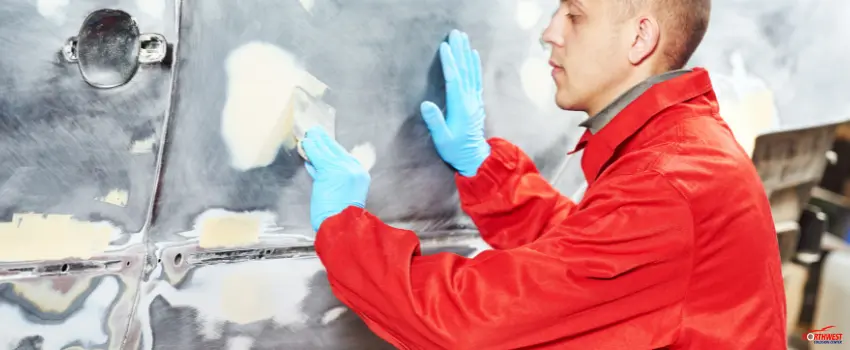
This is one of the most common dent repair methods. It involves the application of a thick paste to the damaged area and sanding it down to create a smooth surface. The area is then repainted to match the color of the vehicle.
While body filler can be quite effective, it is not always ideal for removing a dent. This is because using a body filler to repair dents can be expensive and time-consuming, and it only sometimes provides a long-lasting repair solution. Additionally, body filler can be problematic if the car has been exposed to extreme weather conditions or if the damage occurred in a vulnerable portion of the vehicle, such as the hood or the trunk.
2. Heat and Pop
Heat and pop is a dent removal method where the damaged area is heated with a heat gun and then quickly cooled down with compressed air. The rapid change in temperature causes the metal to contract and pop back into place. The method can be effective for small dents, but it’s not recommended for larger or more severe damage. Heat and pop can be risky if not done correctly, as overheating the metal can cause it to warp or crack.
3. Hammer and Dolly
As the name implies, this method uses a hammer and dolly made of metal to massage out dents from the underside of the damaged panel. It requires a high level of skill and experience and is typically only used by professional body shops. Although the hammer and dolly method can effectively repair dents, it’s often costly and time-consuming.
4. Panel Replacement
This is an extreme method of repairing car dents since it focuses on removing and replacing the damaged panel with a new one. Typically used in severe damage cases or for panels that are difficult to fix through other methods, panel replacement is the most expensive repair option. Its completion can also take several days.
5. Paintless Dent Repair

Sometimes known as PDR, this is a relatively new but increasingly popular method for repairing dents. PDR will typically utilize a dent repair kit that contains specialized tools which a professional car technician will use to either push or pull the dent out from the underside of the damaged panel. As a repair method, PDR can be used on a variety of surfaces, including those made from aluminum, steel, and plastic.
Benefits of Paintless Dent Repair
While there are various ways of fixing car dents, PDR has several advantages that are not available with other options. These include the following:
1. PDR is a cost-effective repair method.
Since it doesn’t require body filling or repainting, PDR is often less expensive than other methods. On average, paintless dent repair cost can be as low as $50 for generally small dents. For those measuring about an inch or more, the price can range from $125 to $2,500.
2. The repair can be completed in a few hours.
This means that vehicle owners can get back on the road quickly. The traditional way of removing dents often takes days to complete. For people who don’t have a spare car, this can be a problem, especially if they have a regular job. PDRs effectively solve this by finishing the work in a matter of hours.
3. PDRs can retain your car’s original paint.
Since they don’t involve any painting job, the vehicle’s original finish is preserved. This can be particularly important if you own a vintage or collectible car, where the original paint is essential to the vehicle’s value.
4. Paintless dent repair is eco-friendly.
There are no toxic chemicals or materials used in the paintless dent repair method, making it a more environmentally sustainable option. PDR also produces less waste as it doesn’t require the disposal of old panels or excess materials.
5. PDR can increase your car’s resale value.
As the original car paint is effectively preserved while providing high-quality repair, PDR can make your automobile more attractive. This is particularly true if there’s significant damage to the vehicle, as PDR can restore it to a like-new condition. If you eventually put your car up for sale, the repair can help increase its market value.
Key Takeaway
There are lots of ways to fix a car dent. Many of these are actually effective, but will often need days or even weeks to complete. This can ultimately affect the total repair costs.
PDR is entirely different. It gets the job done right away, so you don’t need to leave your car at your favorite auto shop and pick it up a few days later. Some shops also have a dent repair kit with a cost estimator so your total expenses can be immediately determined. This can save you money, especially if it’s identified that you only have minor car damage.
Regardless of the repair method that you decide to take, it’s always a good idea to partner with a trusted auto repair shop when dealing with dents. This will ensure that you only get the best service possible.
Get car dents removed minus paint damage from Northwest Collision Center.
The old way of removing car dents is acceptable, but what if there’s a better and faster way of doing it? Here at Northwest Collision Center, we have the perfect solution for your dent repair requirements.
Our paintless method of removing dents ensures a quick and effective way of getting rid of those unsightly marks on your vehicle. The good thing about the PDR technique is that it will not harm the original car paint. The technicians at our auto body shop in Pinellas Park, FL, are seasoned professionals fully versed in all aspects of dent repair. If your car needs dent repair, call us now.