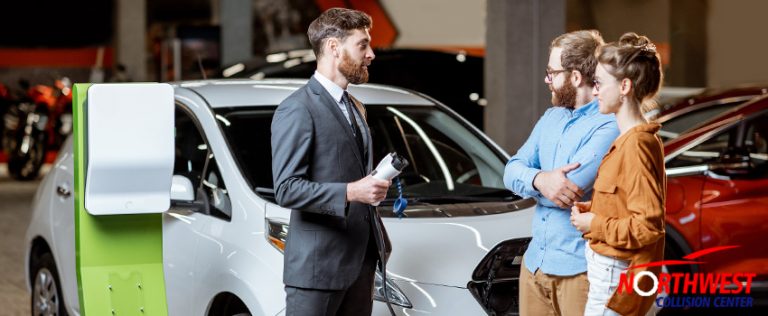
If your current car is outdated and ready to retire, you may have considered switching to an electric car, even going so far as to look into the different models, specifications, and features to determine whether an EV is compatible with your driving needs.
It’s always wise to do prior research: talking to an EV owner or an auto-repair expert can also help answer your questions. Buying something, especially anything with an electric car’s price tag, without sufficient knowledge can be dangerous, especially when mindlessly following a trend.
What To Know About Owning an Electric Car
While being an EV owner has its advantages, such as releasing reduced carbon emissions that can harm the environment, it is imperative you are aware of any potential downsides, such as the disadvantages of owning an electric car.
Restricted EV Driving Range
The first electric vehicle models released to the public didn’t have sufficient driving range, causing people to become skeptical about making the switch. Older distance limitations may have been sufficient when driving from one town to the other before needing to charge again; however, they may not have been as reliable for long journeys or intense weather.
Thankfully, manufacturers have since continuously developed EVs to keep up with the populace’s varying driving needs. Lithium-ion batteries currently power most electric vehicles, and additional ways to improve said batteries are always an active topic of research.
Limited Vehicle Choices
If you are the type to be meticulous with your choice of vehicular transportation, you may find it difficult to find an electric vehicle that will meet all your specific needs. The options are limited and even fewer if you need one capable of accommodating large groups; although, car manufacturers are always looking for ways to increase the seating capacity of EVs and providing additional features to rival and potentially outshine traditional cars.
Lacking Charging Areas
Another downside to owning an electric vehicle is the lack of charging infrastructure; however, this issue is highly dependent on your location and, if applicable, your destination. If you mainly charge your EV while at home or at work, this may not be a major problem.
It is important to consider your location and whether it is possible to install a charging station in your garage. You can ask the staff from the car company about this. If you live alongside other EV owners in the same neighborhood, they may even allow you to use theirs when not in use.
Greater Costs
Electric vehicles can be a problem for people with a limited budget, especially seeing as the first mass-produced, commercially-available models had a tendency to be exorbitantly priced. In recent years, however, car manufacturers have released EV models that are remarkably more cost-competitive.
Although EVs still generally hover above the average asking price for a car, you can still save a significant amount in the long run due to how EVs do not require as much maintenance compared to their gas-powered equivalents. They have fewer moving parts to check and replace from time to time. You can also ask professionals if there are state incentives and tax laws that can reduce the overall cost of the EV.
Difficulty in Finding a Reliable Mechanic
Although an electric car requires fewer visits to a mechanic for upkeep, it does not mean you can neglect looking for a professional capable of doing the job. Not every mechanic is qualified and knowledgeable when it comes to EVs, and they require different methods of care and maintenance to their traditional counterparts.
Searching for a qualified car mechanic near you before finalizing your purchase is a vital necessity to ensure that someone can conduct factory-scheduled maintenance on your car whenever called for.
Knowing the downsides is just as important as being aware of the benefits; however, if the only thing standing in the way of you owning an electric car is whether there is a reliable auto repair shop in St. Petersburg, FL, Northwest Collision Center is the #1 answer to all your queries. We can be of service to you and your electric car with auto painting, restoration, detailing, and more! Call us now, and learn about everything we can do for you.