On the political front, the prioritization of climate change has manifested as the Green New Deal, which has led to the rapid development and adoption of environmentally friendly products such as electric cars. For example, in 2022, electric car sales are predicted to reach 8,151 thousand units sold, and by 2030, this figure is expected to exceed 39,208 thousand units.
If you are considering purchasing an electric car or want to know more about them, this article is for you. Here you will find all the relevant information on electric cars and what factors to consider when buying one. There is also valuable information on driving an electric car, the cost of purchase, and their many unique features. In short, everything about electric cars is here in one easy-to-read article.
The Rising Popularity of Electric Cars
To slow the pace of climate change, many first-world countries have prioritized the reduction of exhaust emissions. This, in turn, has led to a rapid increase in demand for EVs.
Over the last decade, the electric car market’s growth has been phenomenal; nowadays, every major car manufacturer mass produces an EV. This growth is clearly demonstrated when we look at the sales figures mentioned earlier.
Electric car sales growth has remained steady throughout the Covid-19 pandemic. With the onset of the Covid-19 pandemic in 2020, the overall size of the car market retracted, but electric cars bucked the trend, and the number of EVs sold rose from 2.2 million in 2019 to 3 million in 2020.
Given the current trends and the statistical evidence, it would seem EVs are not only here to stay, but they will also be the way of the future and eventually replace gasoline-powered engines altogether.
The Cost Of Electric Cars
One significant hurdle to purchasing an EV is the cost. It is estimated that the average cost for a new electric car is $62,876, and the average cost for a new gasoline-powered car is $46,404, making the average EV cost $16,472 more than the average cost of a gasoline-powered vehicle.
Sure, the cost of electric cars may be significantly higher than gasoline-powered cars. Still, experts in the field argue that when long-term operating costs for gasoline-powered cars are taken into account, an EV works out cheaper.
For example, when you use an electric car, the only cost is electricity, and electricity is significantly cheaper than gasoline. They also point out that those who purchase an EV can avail of federal tax credits.
Last but not least, EVs have fewer moving parts than gasoline engine-powered cars, meaning there is less that can go wrong, and they are cheaper to run, and maintain and less time-consuming.
Electric Cars Features
Everything about electric cars represents technological advancement with modern features that cannot be found in traditional gasoline-powered vehicles. For example, all EVs will have the following:
- Instant acceleration – there is no lag or delay when accelerating.
- Single gear – rather than a gearbox or automatic transmission, makes for a smoother ride.
- More interior room – more space for passengers and/or cargo.
- Aerodynamic design – requiring less energy to propel them, thus more efficient.
- High-resolution digital display – gives you current information about the car’s performance, power level readings, GPS, route display, touch screen technology, and more.
- Climate control – automatically controls the air temperature and distribution.
- Charging ports – let passengers charge devices such as cell phones on the go.
- Safety features – airbags, adaptive cruise control, lane centering technology, and cameras offering a surround 360 viewing.
- Bluetooth connectivity – connects Bluetooth-capable devices to the car’s entertainment system.
- Parking assistance – with visual (360 cameras) and audio (alarms) that aid with all types of parking.
- Automatic wipers – for better visibility, whatever the weather.
- 30-minute rapid charging capacity – plug it in, read a book, and go!
- Regenerative braking – a system that produces electricity and transfers it to the battery every time the brakes are applied.
Factors To Consider When Buying an Electric Car
Before jumping on the proverbial bandwagon and rushing out to buy an electric car, here are some factors you should consider.
Price
The first factor that must be considered when buying an electric car is the price. The average electric car represents a substantial capital investment as they come with a price tag of $67,00 upwards. This is at least $15,000 more expensive than the average gasoline-powered car. When gauging the price of an EV, you should take into account any applicable government incentives or tax benefits and deduct them from the upfront purchase price.
Driving Range
The driving range, or the number of miles an EV can travel on a full charge, is another factor to be considered when purchasing an EV. Typically, an EV will offer a minimum of 100 km per charge, but this will vary for different models and driving conditions. Some later-model EVs can deliver 400km for one charge.
Charging Options and Infrastructure
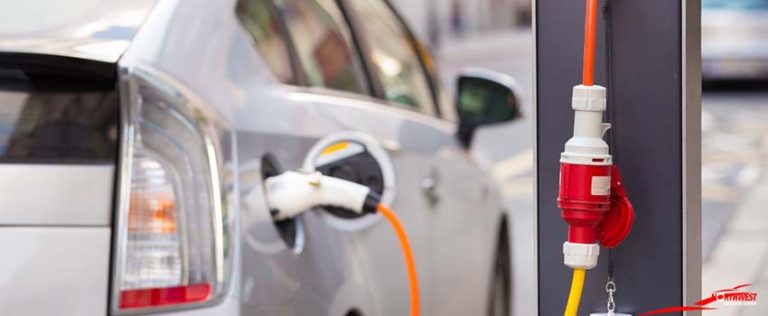
Most EVs have various charging options, such as rapid, standard, and slow. The rapid charging process involves an alternating current being channeled to an onboard charger which converts the AC power to DC and charges the battery. Typically, a rapid charge will take 20 to 30 minutes and provide power for a driving range of 60 to 200 kilometers.
The length of time for a standard charging will vary from as short a time as 30 minutes to as long a time as 5 hours. The length of time for the charge will vary according to the size of the battery, the speed of the AC charging point, and the required charge level. A slow charge can take anywhere from 10 to 14 hours.
The EV Driving Experience
Electric vehicle owners claim that driving an electric car offers a superior driving experience than driving a gasoline-powered car. For example, they cite:
- A much quieter driving experience.
- Increased torque and more rapid acceleration.
- Ease of driving since EVs are fully automatic and do not require gear changing.
- Regenerative braking, which charges the battery, extending the distance covered in one charge.
- Offers ease of information accessibility as it is all displayed on the smart touch-sensitive dashboard displays
- In the hybrid EV, the driver has more options regarding what power to use. Hybrid EVs can use either electric motors or gasoline motors.
- Perhaps most importantly, EV drivers stress the fact that EVs are cheaper to drive and maintain.
Key Takeaway
No article can tell you everything about electric cars. However, several key factors can be delineated, including the fact that electric cars are more expensive. Still, at the same time, the associated operating costs are lesser, and electric cars are much less harmful to the environment since they are much quieter and have no exhaust emissions.
Other factors to consider include that electric cars have more torque than gasoline-powered cars, are easier to drive and are more technologically advanced. Electric cars are rapidly evolving, incorporating new and improved features, and the electric car market is predicted to experience rapid growth well into the 2030s.
What Happens If Your EV Is Involved In an Accident?
Electric cars are the same as gasoline-powered cars when it comes to them being involved in an accident. As with a gasoline-powered car, when an EV is involved in a collision, the body of the vehicle can sustain damage. To be repaired, it should be entrusted to a professional body repair center that knows everything about electric cars.
Your EV represents a substantial investment, so if it gets damaged in an accident, it’s in your best interests to take it to the experts like Northwest Collision Center, the go-to auto body shop in Largo, FL. We have all the latest equipment, and the staff is thoroughly trained in the latest repair techniques, meaning we can restore your damaged EV to its original pristine condition. If your electric car’s bodywork has been damaged, don’t delay. Contact Northwest Collision Center today and ask for a complete no-obligation quote.