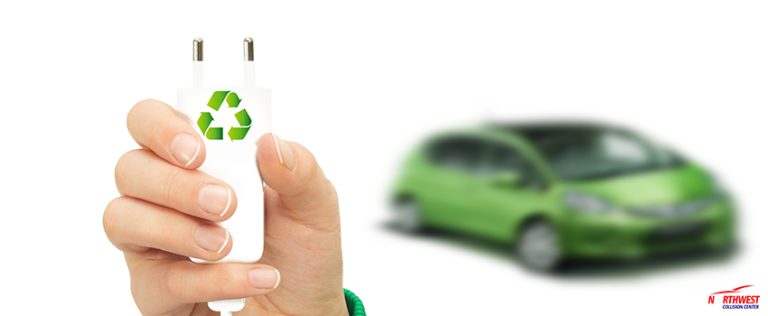
It’s no secret that electric vehicles (EVs) are up-and-coming.
The EVs’ many functional features and being environment-friendly inspire the public to make the change. The rise of EVs calls for the special need for auto body repair, maintenance, and replacement of specific parts, to name a few. However, not all auto shops cater to electric vehicle repairs.
Good thing we can rest easy knowing that Northwest Collision Center offers electric vehicle repairs among its list of services. Discover how different the repair for electric vehicles is from conventional cars.
Side-by-Side Analysis From CCC Intelligent Solutions
The CCC Intelligent Solutions conducted its first analysis on the repair costs for gas-powered cars and electric vehicles. According to their side-by-side analysis, repairs for EV minor collisions cost 3% more than gasoline-powered vehicles. Although electric car repair and maintenance are less complicated, it is on the higher-end of the cost scale.
Susanna Gotsch, CCC’s industry analyst, examined a year’s worth of data. The analysis consists of gas-powered vehicles with EV counterparts such as Sentra vs. Nissan Leaf and Sonic vs. Chevrolet Bolt.
Other findings from the analysis also include the following:
- Replacement parts are more difficult to acquire because they are likely only available through the manufacturer.
- Car owners are less happy with EV repairs.
- Electric vehicles are more likely to recover after a collision.
- The repairers submitted the supplemental reports when they discovered more damage after their initial estimate.
- 40.2% of EV repair costs consist of replacement parts, whereas it’s only 37.5% of gas-powered vehicles.
- An average of 22 hours is required to repair EVs, whereas 25.6 hours is required for gasoline cars.
According to Gotsch, the report aims to help auto body repair shops prepare for the increasing numbers of EVs. The advancement in vehicles will require new technology and necessary training for mechanics.
The report also includes the growth of EV owners. In the 2nd quarter of 2021, 118,223 electric vehicles were sold in the United States compared to the 2nd quarter of 2020, where 33,312 electric vehicles were sold.
In addition, 248,028 plug-in hybrids and hybrid EVs were sold in the 2nd quarter of 2021, compared to 91,677 sold in 2020 in the same quarter. These staggering numbers show how EVs are becoming more popular and why auto shops must keep up with electric car repair demands.
Electric Vehicle Repair: What Are the Basics?
EV repairs cost more, especially when the batteries get affected during a collision. The parts and components of electric vehicles are not as widely available as gas-powered ones. The duration of electric vehicle body repair depends on the extent of the damage to an EVs body, availability of components, and the battery’s health.
Because electric vehicles require a different approach in towing, preparation, and repair methods, electric cars and hybrids call for a new set of technology and skills.
Here are the basics of auto body repair that you should know:
1. Parts
The EVs’ car parts vary greatly from conventional cars. Because they’re quite new, it takes time to get the parts needed for repair. Aside from that, the parts cost a few thousand dollars more compared to that of conventional cars.
2. Towing
Towing electric cars requires a flatbed. Towing them on their own wheels might cause further damage to the EVs’ electrical system. Upon towing, the mechanics do a thorough inspection to see signs of damage in all the EV parts.
3. Painting
The painting process for electric cars is also different compared to gas-powered vehicles. If the paint of an EV gets damaged during the accident, the painting and curing process is not as straightforward compared to conventional cars.
The mechanics consider the temperature threshold of the batteries. This also means you’ll have to wait a little longer for the electric vehicle repair shop to finish doing the repairs.
Things to Look For In an Electric Vehicle Shop
You and your car deserve the best service possible. However, just like any industry, businesses have varying levels of service. Here are the things you should look for in an auto body repair shop for your electric car:
1. Certifications
Certifications prove an auto repair shop can handle a quality electric vehicle repair. An ASE certification shows that the mechanic passed the required exam and has at least two years of experience. Look for the Automotive Service Excellence certificate when choosing an automotive repair shop.
There are other certifications for different areas of expertise in automotive repair. When checking for auto shops near your area, don’t hesitate to ask for their certifications. If they’re good at what they do, they’ll be more than willing to show them to you.
2. Years of Experience
You can never go wrong with a seasoned auto shop’s electric vehicle repair services. Nothing beats the years of experience because they indicate the needed knowledge and expertise in doing repairs. Find out how long a shop has been doing EV repairs when looking for a shop that caters to vehicle body work of electric vehicles.
3. Good Reputation
Entrust your electric vehicle body repair needs to experts. Their online reputation usually gives you an idea about the quality of services they provide. Customer reviews show their experience with an auto shop. If the majority of the ratings are below four stars, find another one with a higher rating.
4. Customer Service
The way the customer service of auto repair shops answers queries on vehicle body work services reveals how they value potential and existing clients. Their patience and detailed explanation are positive indications that every penny you’ll spend will be worth it.
Things to Avoid When Looking For an Electric Vehicle Repair Shop
Think for the long-term when looking for an auto shop. You want an electric car repair shop that you can go to in the future. A good relationship with your car mechanic guarantees your EV is in good hands.
There are certain red flags you’ll want to avoid at all costs. Here are some of them:
1. Unnecessary Offers
You might stumble upon an electric car repair shop that sells unnecessary additional services. It might offer a change filter service, which is a good idea only if you haven’t had one in a long time.
However, if they keep insisting, after a “no” reply, it’s time to look for a different auto shop. To avoid falling for upsells, check your EV’s manual and see the recommended maintenance timeframe.
2. Mediocre Diagnostic Skills
A team of professionals, who know what they’re doing, does well for electric vehicle repair. Poor diagnostic skills may lead to unnecessary repairs or further damage to your electric car.
If you’re uncertain about the course of action given, ask questions related to the solution given. If the mechanics cannot justify their answers, they may not have ample experience in handling a vehicle such as yours.
3. Costly Repair Services
Repairs for EVs are, indeed, expensive. However, they shouldn’t be unreasonable. Some auto repair shops often offer replacements and labor, which aren’t necessary. They do this to speed up the process instead of taking the time to find out what’s wrong with your car.
If your repair bill is more exorbitant than expected, ask your mechanic to break down the cost for you. If it doesn’t seem fair, call another auto shop for an opinion.
4. Condescending Attitude
Some auto shops that offer repairs for electric vehicles push clients to avail of certain services. If they seem too pushy about these things, get in your car and drive away from there.
You want a shop that puts you and your car as a priority. So if the air around the place seems off, opt for another auto shop instead.
Northwest Collision Has You and Your EV Covered
We are a seasoned electric vehicle repair shop.
Northwest Collision Center specializes in Tesla auto body repair in St. Petersburg, FL. Our team of experts undergoes continuous training to provide you and your EV with the best service possible. We are ASE-certified. Moreover, our repair facility is I-Car Gold certified.
If your car is due for maintenance or in need of repairs, call us! With NCC on the job, get back on the road in no time.