Car Bumpers and What They Do
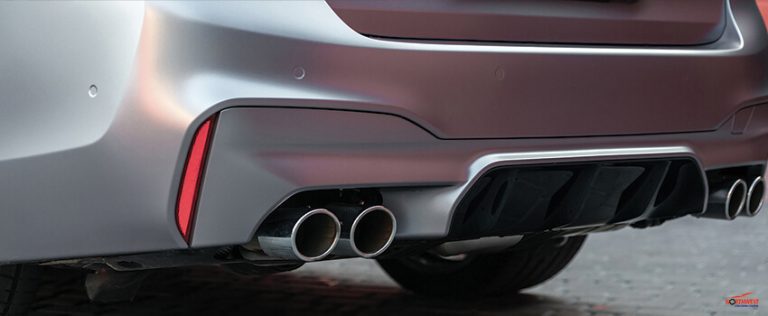
Bumpers are structures normally attached to either the front or the back portion of a car or any motor vehicle. Designed to reduce the impact of a collision, bumpers are available in a variety of designs, making them unique attraction pieces that add to the beauty of a car.
Since bumpers act as a type of shock absorber during an accident, they often end up having dents and scratches. In many cases, however, they come out of a road mishap bent, broken and badly damaged. This is especially true in the case of a head-on collision where the front bumper often takes the brunt.
Commonly Asked Questions Regarding Bumper Repairs
A scratch or a dent in your car bumper could have serious effects on your vehicle’s performance and overall appearance. A repair or a replacement will have to be considered, but the question is, how much will it cost?
Costs for replacing a bumper tend to vary depending on factors like the severity of the damage, the repair methods that will be used, and the type of vehicle involved. On the average, however, a bumper replacement cost is a bit higher than having your bumper repaired.
Is a complete bumper replacement needed?
There are two options available to you if your bumper is damaged after a vehicular accident. The first is a bumper repair which is appropriate for minor bumper issues. The second is a replacement, the natural option if the bumper damage is severe.
Most chips, scratches, and dents on your bumper can be repaired easily with the help of specialized tools found in a regular auto body repair shop. To ensure that the newly-repaired bumper matches the basic design of your vehicle, repainting is always recommended. This should not be a problem though since repainting is usually included in any car bumper repair plan.
On the other hand, if the bumper is already leaking or has several serious cracks, a bumper replacement is the better option. In this case, it’s obvious that a repair will not produce the needed results even as new technologies have made it possible to repair bumpers more easily.
How long do bumper repairs take?
The number of repair jobs that an auto repair shop is currently working on will determine how long it will take for your bumper to be repaired. This can mean leaving your car at the shop for a few days, but if the job will only involve a small scratch or dent, the repair can last anywhere from four to eight hours.
How much will I be spending on bumper repairs?
The bumper repair cost will depend on how much damage your bumper has incurred. Although the exact expenses will vary depending on where you live and what type of bumper you require, the following breakdown should give you an idea on how much you can expect to spend for each type of bumper damage.
- Light scratch: $50-$200
- Medium scratch: $200 – $400
- Deep scratch: $300-$600
- Minor dent: $150 – $250
- Minor crack: Minimum $300
What Your Car Insurance Company Can Do With Damaged Bumpers
Obviously, you will want your insurance company to cover the damage to your bumper, especially the bumper replacement cost. However, this will depend on the car insurance premium that you decided to take.
If you are not at fault for the accident, you should get in touch with your insurance provider for clarification. Many insurance policies on not- at-fault drivers generally provide for coverage of the entire repair cost, including the rear bumper.
On the other hand, if you are found to be at fault, your insurer might still agree to cover the bumper repair cost but only under certain conditions. For example, you maybe asked to agree to an increase in your monthly premium in exchange for having your bumper damage amply covered. This is especially true in cases where there are other damages apart from those sustained by your bumper that will need to be repaired as well.
What To Do After a Head-On Collision
Before worrying about the cost of having your front bumper repaired soon after a car collision, there are more pressing issues that you should focus on and act upon right away. These include the following:
Call 911
This should be done immediately after a head-on collision so an emergency response team can be dispatched quickly. This is one situation where a mobile phone becomes especially helpful.
Stay in the area
If you’re seriously hurt, it’s best to stay inside the car to avoid incurring additional injuries. If you’re mobile, do not attempt to move your car away from the accident area.
Gather information on how the crash happened
Collect as much information as you can about the accident without unnecessarily putting your safety at risk. If you can, get a picture of your car and the area where the accident took place. Get witness information as well to double check just how and why the collision happened.
Call the police
This is essentially for investigation and documentation purposes. Ideally, the police must be able to clearly identify who should be cited for negligence.
Go to the nearest hospital
Even if you suffered only minor scratches and can move around without difficulty, it is important that you visit the nearest medical center for a quick checkup and to record the incident properly.
The Auto Body Repair Shop and Your Bumper Repair Cost
There was a time when the job of repairing a damaged car bumper was pretty easy even if this involved only the rear bumper. The damaged part just has to be removed from the main body of the car, do the needed repair work, then bolt the repaired bumper back to your vehicle’s body.
These days, however, most bumpers are designed as part of a car’s entire body makeup and often have a variety of complicated components stored inside them. This means that a modern bumper in need of repair will likely undergo a complex bumper fix process that will naturally involve higher costs.
What is it like to fix a bumper that has been damaged following a road accident? Below are the key steps that many auto repair shops usually follow when taking on an auto bumper repair project:
Step 1: Bumper Removal and Component Disconnection
The cars of today are more sophisticated and often store their technology inside the bumper. Yes, this may come as a surprise but the modern bumper can contain everything from wiring to proximity sensors to backup cameras and more.
Disconnecting all of these advanced components from your car bumper is the first step in the repair process. It requires caution on the part of the auto technician and once completed, the bumper can be safely removed from your vehicle.
Depending on the complexity of the systems involved, this first step can last for several hours. For this, you’ll have to factor in the labor cost, especially if the repair work will require the involvement of expert auto technicians.
Step 2: Repairing the Bumper and its Imperfections
Once all car systems have been disconnected, the bumper repair work should commence. An automotive body technician will usually be in charge of this, with the bumper normally grounded down with plastic or resin to remove dents and restore the bumper’s original look.
In some cases, dents are pushed out by heating the bumper. Once the dented portion heats up, this can be easily popped out, although this will depend on the shape of the dent and the materials used to design the bumper.
Step 3: Painting and Reinstalling the Bumper
After the bumper has been formed back to its original shape. painting and reinstallation are the next steps in the repair process. Prior to painting, the bumper is checked for smoothness, then sanded down, cleaned, and washed thoroughly.
Matching the bumper’s color to the rest of your vehicle is also done. Because of this, the process of painting your bumper can be time-consuming since it can involve several coats. This prolonged process will also have to be considered in your overall bumper repair cost.
Once painting is completed, the bumper will be reinstalled onto your car. This process can also last for several hours since many car components will need to be reconnected, and this has to be done with caution and precision.
Get Expert Bumper Repair Service from Northwest Collision Center
Having your bumper repaired nowadays is both complex and costly, but Northwest Collision Center is here to help you.
Our team is composed of professional and experienced auto body technicians who have worked on different bumper types, effectively restoring them to their original designs after being damaged in an accident. Hardly anyone will notice the kind of repair work that we can do on your bumper.
If you’re still unsure on where you can bring your damaged bumper for the needed repair, just head out to Auto Body Repair St. Petersburg, FL and let our team work on your problem. Give us a call now for more details.