A newly polished car paint always turns the heads of people on the road. But bird droppings or tiny water spots on your car paint can spoil their attention.
If you aim to maintain the radiance of your newly bought car or ensure that your favorite car looks good as new after many years, you might want to invest in learning the basics of car paint protection.
We gathered all the reliable tips to get you started in your new car paint protection routine. Ready your pen and paper for this educational ride!
Protecting Car Paint: New Paint Job
Protecting your car paint depends on the date you last brought your car for repainting. After a new paint job, make sure to keep in mind to only:
1. Wash your car two weeks after a repaint.
Fresh paints are soft and often need time to cure properly to allow the paint solvents to evaporate completely.
If you must clean your car from unavoidable mud, dust, or bird droppings, carefully wash them with water and use gentle pressure when drying. Auto body repair experts also suggest using a soft microfiber towel to remove water and soap residue.
2. Use gentle formulation when washing.
Use formulas graded for washing cars when rinsing off debris from your newly painted car. Avoid using dish soaps as they contain chemicals that can cause fading.
Most auto body repair shops also approve of using car wash solutions instead of car soap with wax.
3. Wax your car after two months, at least.
If you do not want your car to look dull, ensure that fresh paints cure properly before polishing. It is essential to make polishing a regular auto body care routine to maintain the sleek appearance of your car for the coming years.
It may seem that waiting for months may only cause harm, especially with the dirt and grime that clings onto your car. The truth is, following the recommended timeline for cleaning and waxing will prolong your car paint and protect the investment you have made.
Protecting Car Paint: Old Paintwork
Regular washing and polishing is a basic must in car paint protection. But it is best to add a pre-treatment process after cleaning in old paintwork that is wearing out and slowly peeling off.
If you do not know how to do it, carefully follow each of these steps:
Step 1: Apply Finish Cleaner
Grab cotton wool or any soft cloth and soak it with a finish cleaner. Apply the cleaner on your car in a circular motion to remove all disintegrating paints.
Step 2: Condition With High-Gloss Wax
Apply a high-gloss hard wax on the paintwork section before sending your auto for checking and repair.
Step 3: Regular Maintenance
Being experts in car paint restoration and protection, we recommend examining your car’s paintwork each year to prevent surface damage from spreading.
Ways to Make Your Car Paint Last Longer
From mud, dust, animal droppings, water splashes to sun rays, your car is always prone to elements that can taint the color of your car paint. But no need to fear. There are effective practices to keep your vehicle looking its best in the long run.
Use A Car Cover When Parked Outside
The first step to protecting car paint is laying a car cover on your entire vehicle. If you plan to park in an open area or store your car in your garage for an extended period, using a car cover can protect it from unwanted elements that can destroy your car paint.
One of the arch enemies of your car paint is animal excrement, specifically bird droppings. They contain corrosive elements that can cause irreversible damage to your car.
Dust, mud, and even insects stuck on fresh paints can also cause damage to car paint. Wipe them off, or better yet, use a car cover to ensure protection.
Park in the Shade
Parking your car in the garage or a covered area is not always possible. So, whenever you can, leave your vehicle in the shade during hot weather and avoid parking in areas directly exposed to the sun.
To avoid losing the vibrant color of your car, do not expose it to UV rays for too long. The sun can cause damage to our skin, and the same goes for our car paint as well.
Rinse Off Spilled Fluids Immediately
Fluids such as oils, gasoline, antifreeze, washer solvents, or transmission oils may contain solutions that can dull your paint. Do not let them stay on your car’s surface. Gently rinse them off immediately.
Instead of rushing to wipe the area and cause smearing, allow the towel to first absorb the fluid before gently wiping off the surface of your car.
Wash Thoroughly
It is imperative to wash your car thoroughly regularly. Simply bathing your car with water is not enough.
From the tires, window glasses, windshields to the car seats and carpet, make sure to set a day in the week to clean every part of your car properly. Invest in quality cleaning products instead of settling on using your household detergents.
Products that are not for washing cars will only do more harm to your paint than good.
Dry Properly
Not letting your car dry properly will render your washing a waste. Proper technique of drying does not involve placing your car under the heat of the sun.
Leaving it under the sun may dry your wet car naturally but cause extensive damage to your car paint. To prevent water spots from appearing, you can use a soft, scratch-free towel or sponge to absorb the water after rinsing.
Polish Your Car
A good wax can protect your car from possible external elements and can even remove slight haze on your car coat. High-gloss polish can cover smogs on your car and make It appear brand-new.
You can use mild polish on your cleaned car paint and leave it to dry for a few hours for a regular waxing routine. To preserve the shine of your car, auto body experts recommend finishing with the application of a high-gloss hard wax.
Use Car Paint Protection Film
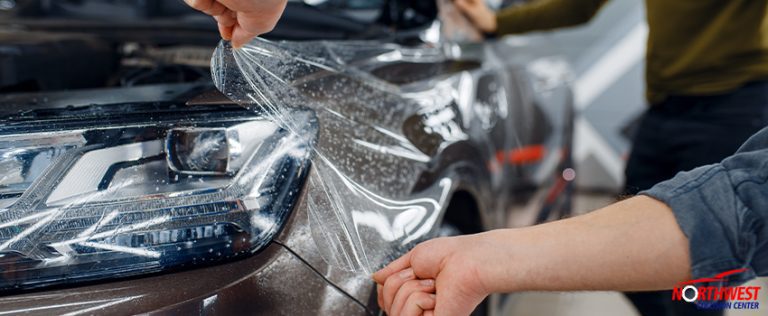
One modern technique in protecting your car is coating its entirety with a car paint protection film. This clear film will protect your car from damage caused by dust, heat, UV rays, and even from rock chips.
It may cost too much at first, but it is worth the expense considering that it lasts for five years. You can ask your trusted auto body shop to apply protection films on any areas of your car, including window glass and bumpers.
Touch Up Any Damages Right Away!
Any damage to your car paint and on any parts of your car should not be left alone. Minor chips or scratches can turn into rusting problems that may significantly affect the performance of your car.
If you have been busy searching “car paint protection near me” on your browser and cannot seem to decide which of the results are for you, visit our auto body repair shop in St. Petersburg, FL.
Many car enthusiasts have trusted us to provide them with fast and quality services from car paint, auto body repair, and vehicle restoration. Show your car some love and contact us right away!