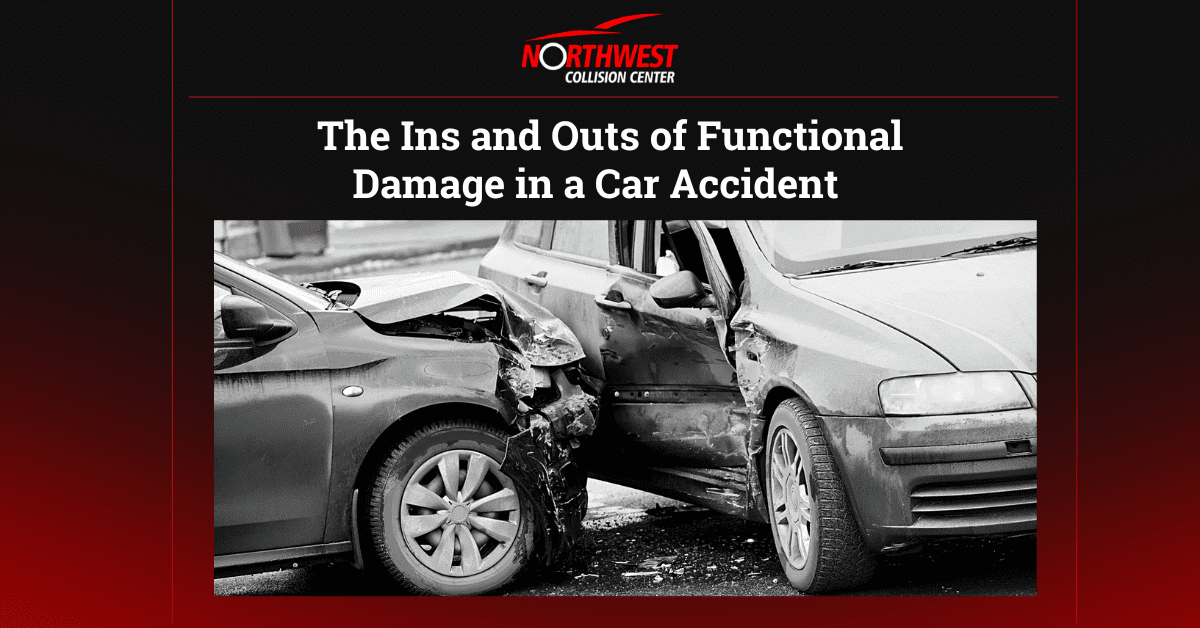
A car collision can cause more than just physical damage to your vehicle. It will also leave you temporarily shaken even as you look at the bodily injuries that you have incurred.
Then there’s the emotional stress of being confined to a hospital and the painful reality that you have to get an auto collision repair plan. This can be costly but what can make things more difficult are the misconceptions you’ll get to hear while learning about collision repairs. Below are seven unfounded beliefs about a collision auto repair:
Seven Myths About Auto Collision Repair
Insurance Covers the Total Cost of Repairs
Although it’s a common misconception, there is some truth to this. Car insurance is similar to health coverage. It will include the total repair costs but only if this will exceed the deductible amount. Thus, you have to inspect closely the deductible involved in the premium when choosing a car insurance.
While a higher deductible may help you get lower insurance rates, it can cause problems during an accident auto repair. You could still end up paying all of the repair costs using your own money, so always check the details of your coverage.
Only Dealers Provide the Best Repair Service
Many people believe that dealers are the only ones who have access to high-quality spare parts and highly trained staff. This is another collision auto repair myth; it doesn’t really matter if you visit an authorized dealer or an independent car repair shop.
Nearly all auto stores have the same equipment often used to repair damaged cars. You don’t have to choose between a dealer and a repair shop because both have the same access to OEM parts.
Your Car is Irreparable After a Collision
Car repairs are still possible as long as an experienced technician is available. Additionally, the majority of cars today have unibody frames that can be easily fixed. Restoring your car to its pre-damaged condition can still be achieved if you can find a reliable auto body repair shop
The Only Collision Auto Repair Option is an Insurance Company-Approved Auto Shop
No, it doesn’t automatically mean you should go only to the car shop that your insurance company recommended for your accident auto repair needs. You’re free to avail of the services of a preferred car repair store although you’ll need to consult your insurer for this.
Some automotive shops have policies about accepting repair payments from insurance companies because the process involved can be long and complicated. In this case, an auto body repair with no insurance option might even turn out to be a good thing although this is not really advisable given existing laws on car ownership.
Taking Vehicles to Independent Auto Collision Repair Shops Voids the Warranty
As mentioned before, visiting an independent car repair shop is within your rights as a car owner. Doing this should not affect the warranty on your vehicle.
However, you should keep copies of the receipts as proof of the services that were rendered and the amount you paid. Your insurance company will want to look into these as part of its post collision repair inspection process. Rest assured that your warranty will not be cancelled because a third party repair shop was involved, unless the repair servicing was completed beyond the warranty coverage period.
Car Frames Can Never be Repaired Once Damaged
The truth is that your car can still be fixed even if its frame has been damaged. Modern-day vehicles, including trucks, are built with unibody frames which simply means that the body and the chassis are both placed in one place.
A car with a unibody frame is lighter but can still provide safety to its passengers. Since it has a lighter design, a car repair after an accident remains possible, but the cost can be high. Nevertheless, this will still depend on the type of vehicle involved.
You Only Have One Appraisal For Your Vehicle
Trying to determine the cost and extent of a car collision damage can be difficult. However, what can make things easier for you is that most states have no strict requirements on how many repair estimates you can have.
In short, don’t limit yourself to just one estimate and immediately take the first offer to get that auto repair service. Consider three different repair options and choose the one which offers the lowest price and perhaps even an auto body repair no insurance arrangement. You can also search online for other recommendations and make things even easier.
Benefits of Professional Auto Collision Repair
Car accidents can happen on any given day and time. It could be a minor one that caused no major damage and you were able to drive off from the accident area. Or maybe it was more serious and rendered your car unusable for safe driving. When this is the case, it is best to seek professional collision repair service. Here are a few reasons why:
Protect Your Vehicle from Further Damage
Driving a damaged vehicle can pose many dangers, both to you, to people on the streets, and on your own car. Driving with cracks on your windshield, for example, can impair your vision, preventing you from seeing clearly what lies before you on the road.
A dented hood, meanwhile, can get exposed to the elements, resulting to more serious damage and higher repair costs. To avoid all of these, it’s best to get a professional technician to do the needed repair.
Get Your Vehicle Back to its Original Glory
Often, you’ll have second thoughts about bringing out your car after it met a major road mishap. This is because the dents and scratches are visible even from afar, making your car less attractive. A professional repair service can remove those dents and make your vehicle look new again.
Avoid Unnecessary Traffic Fines
In various states, if you take a wrecked car out on the streets, you can be charged for driving an unsafe vehicle. Traffic police officers will issue a ticket for this violation which can be easily avoided if you opt to have your car repaired first before driving it.
Peace of Mind
It’s natural to be anxious and scared after a car accident. Apart from that, there’s the added worry about your vehicle’s safety. Ease those worries by bringing in your vehicle for the needed repairs under the hands of a professional technician.
See an Increased Car Trade-in or Resale Value
When all the needed repairs have been done on your car, it will come out as new. This should put you in a good position to either trade the car in for the latest model or just sell it outright.
Of course, you might not want to do that right away given all the time and money you spent to have your vehicle repaired. No matter what your decision is, taking your car to an auto body repair shop after a collision is a sign that you value your vehicle by making sure that it remains within the safe driving zone.
Take Your Car to Northwest Collision Center
If you’re looking for expert auto collision repair services, the only company you should visit is Northwest Collision Center.
Our Auto Body Repair St. Petersburg, FL has a team of professional and dedicated technicians who can work on your car restoration, color matching, and auto body repair needs. We guarantee your car will be back on the road in no time. Contact us today for quick repair assistance.