
As a car owner, you rely on your vehicle to get you from point A to point B safely and comfortably. However, over time, even the most well-maintained car can experience wear and tear. One of the most common problems that car owners face is a misaligned car frame. This can lead to a variety of issues, from poor handling and steering to uneven tire wear and decreased fuel efficiency.
Today, we’ll explore the signs that your vehicle needs frame straightening, the causes of car frame misalignment, the importance of addressing the issue, and what to expect during the frame straightening process. By the end of this guide, you’ll have a better understanding of how to identify and address issues with your car frame, and you’ll know what to expect if you need frame straightening services. Let’s dive in!
Signs Of Car Frame Damage
Your car’s frame is the foundation of the vehicle, and any misalignment can have serious consequences for your safety and the car’s overall performance. Straightening the frame is the process of correcting the alignment of a car’s frame, which can become misaligned due to different types of vehicle damage, like accidents, potholes, or general wear and tear. Here are some signs that your vehicle needs car frame straightening.
1. Uneven or Unusual Tire Wear
One of the most common signs of a misaligned car frame is uneven or unusual tire wear. If your tires are wearing out more quickly on one side, or if you notice bald spots or unusual patterns on your tires, it’s a good indication that your car’s frame is misaligned.
2. Abnormal Noises While Driving
Another sign of a misaligned car frame is abnormal noises while driving. If you hear clunking or banging sounds, especially when going over bumps or making turns, it could mean that your car’s frame is not aligned correctly.
3. Vehicle Pulling to One Side
If your car pulls to one side while driving, it could be a sign of a misaligned car frame. This can cause difficulty in steering and handling the vehicle.
4. Misaligned Doors or Windows
If your car’s doors or windows are misaligned, it could be an indication that your car’s frame is misaligned. If the doors or windows are difficult to close or there are gaps between them and the car’s body, it’s time to consider frame straightening.
5. Visible Damage to the Frame or Body of the Car
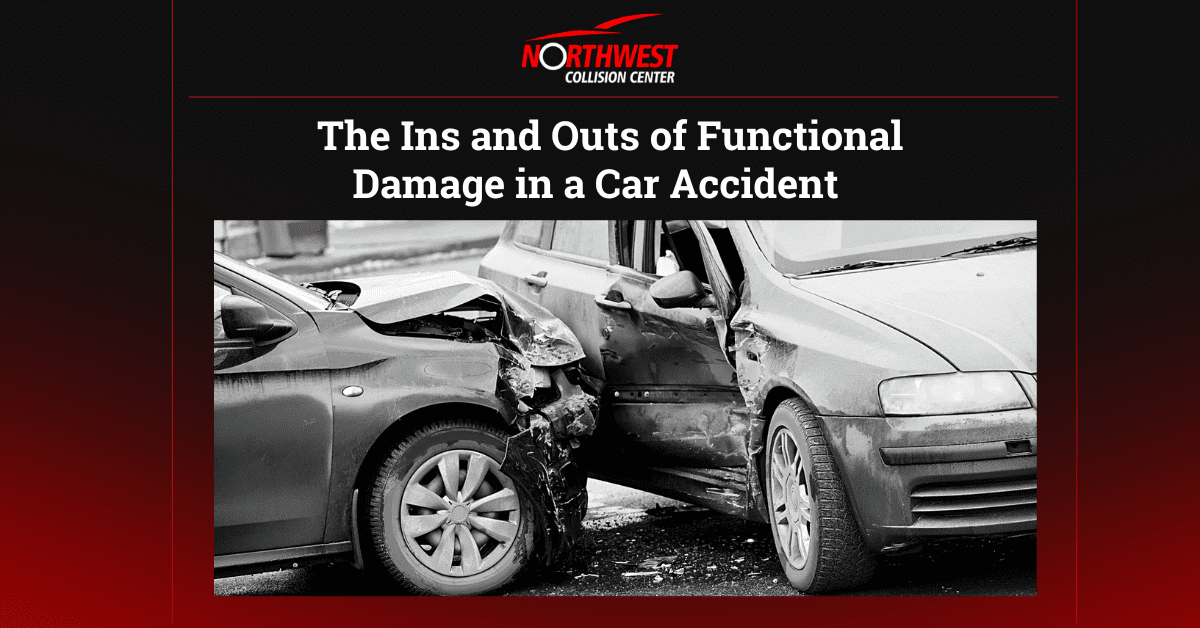
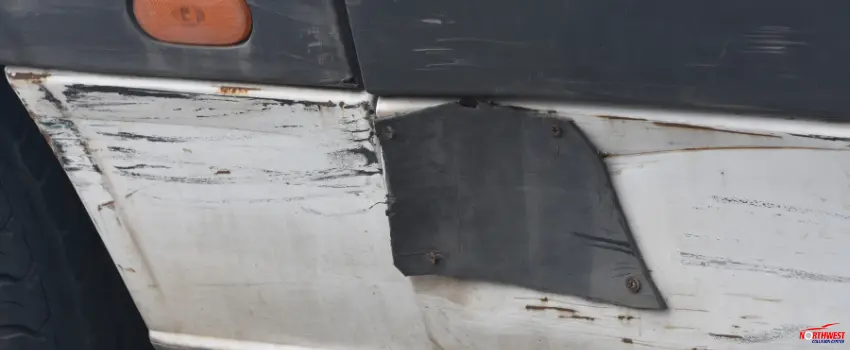
If there is visible damage to the frame or body of the car, such as dents or a bent car frame, it is very likely that the car’s frame is misaligned. In such cases, it is important to take your car to an experienced auto body shop for straightening.
6. Uneven Gaps Between Body Panels
If there are uneven gaps between the body panels of your car, it is a clear indication that the car’s frame is not aligned correctly.
7. Difficulty Steering or Handling the Vehicle
A misaligned car frame can also cause difficulty in steering or handling the vehicle. If you feel that the car is not responding properly to your steering or if you have difficulty maintaining control, it’s time to get your car checked. You may also notice the car drifting to one side, even when the steering wheel is straight. This could be a sign of a bent car frame, and you need to straighten it.
8. Strange Noises or Vibrations
A misaligned car frame can cause unusual noises or vibrations. You may notice unusual noises coming from your car, such as clunking or banging sounds. These noises may be caused by the frame rubbing against other components of the car. Vibrations can also occur, especially at high speeds, and can be felt in the steering wheel, pedals, or even the entire car. These vibrations can be a sign that your car’s frame needs to be straightened.
What Causes Car Frames to Become Misaligned
A car frame can become misaligned for various reasons, including:
- Car accidents
- Hitting a curb or pothole
- Wear and tear over time
Car accidents are the most common cause of car frame damage. When a car is involved in an accident, the impact can cause the car frame to bend or warp. Hitting a curb or pothole at high speed can also cause car frame misalignment.
The Importance of Addressing Frame Straightening
Driving a vehicle with a misaligned car frame can be dangerous and can cause severe damage to your car over time. Here are some potential consequences of driving with a misaligned car frame:
- Difficulty steering or handling the vehicle
- Uneven tire wear
- Reduced fuel efficiency
- Decreased resale value of the vehicle
Having a properly aligned car frame can improve your vehicle’s performance and safety, reduce wear and tear on your tires, and increase your vehicle’s resale value.
What To Expect During the Car Frame Straightening Process
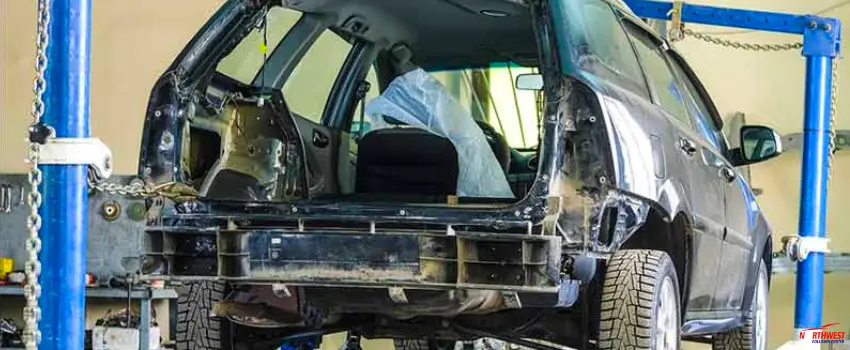
The process involves various steps, including:
- A thorough inspection of the car frame
- Using a straightening machine to pull the frame back into shape
- Welding or replacing damaged sections of the frame
- Refinishing the repaired sections
It’s essential to choose a reputable auto body shop with experience in straightening to ensure that your car is repaired correctly. A reliable auto body shop will have the right equipment and trained technicians to handle the job.
Key Takeaway
All types of car frames can become misaligned and it can cause serious safety issues and long-term damage to your vehicle. Common causes of misalignment include accidents, worn suspension components, and normal wear and tear.
It is important to identify the signs of a misaligned frame and address the issue promptly to avoid further damage. Properly aligning the car frame can improve handling, reduce wear and tear on tires and suspension, and even improve fuel efficiency.
Northwest Collision Center is here for you!
Don’t wait until it’s too late to address your car’s frame misalignment! Contact Northwest Collision Center today to schedule your frame straightening service and ensure your safety on the road. We are a premier St Petersburg auto body repair shop with experienced technicians use state-of-the-art equipment to accurately diagnose and fix any issues with your car’s frame.
We are committed to providing high-quality services and excellent customer service. Don’t take any chances with your safety and the integrity of your vehicle. Trust us to get the job done right. Contact us now to schedule your appointment.