July 4 is celebrated every year as Independence Day. Depending on which day of the week it falls, the Independence Day holiday period can vary in duration from 1.25 to 4.25 days. For example, if the holiday falls on a Sunday, then the Independence Day holiday period lasts for 3.25 days as it begins at 6 p.m. Friday July 2 all the way through 11:59 p.m. Monday July 5.
Independence Day Statistics
According to the National Safety Council (NSC), more than 400 Americans are often involved in various traffic fatalities during the Independence Day holiday period. The holidays are traditionally a time for family trips and car travel has registered the highest death rate of all the major modes of transportation, based on fatalities per mile.
This year, the American Automobile Association (AAA) estimates that more than 47.7 million people will travel on Independence Day. This is because travel volumes are expected to reach pre-pandemic levels, the second highest Independence Day travel volume ever recorded, surpassing the 2019 data. Due to the record number of travelers, there will be more congestion and holiday traffic on different roads. This makes it even more important that you drive with caution.
Driving Risks on Independence Day
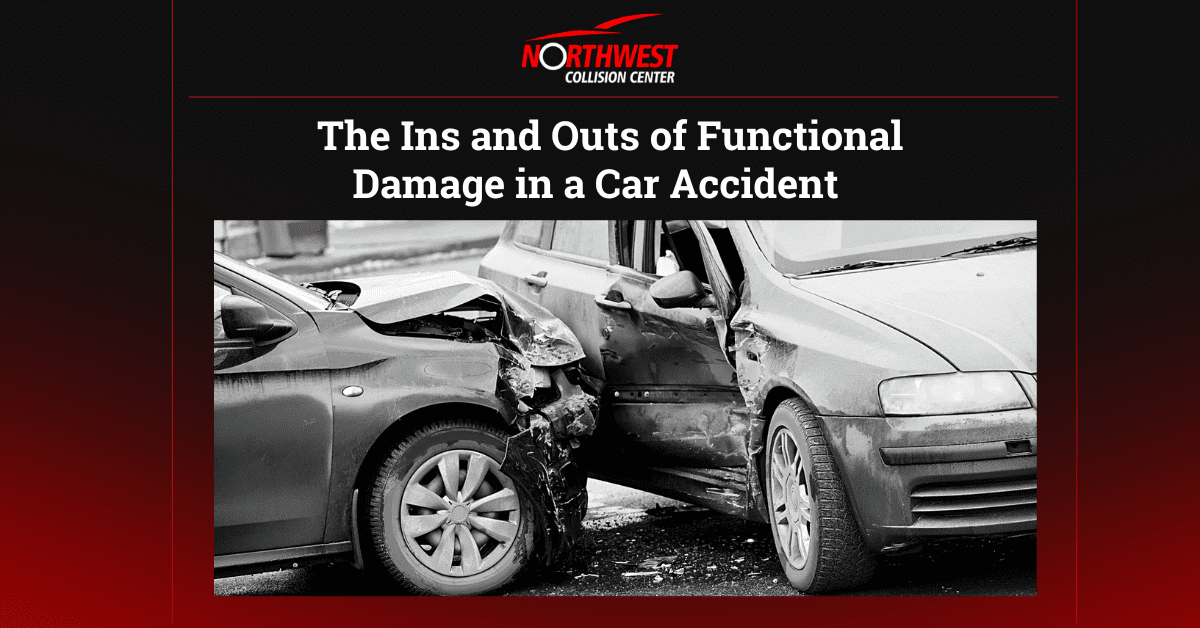
The Fourth of July is a time when motor vehicle accidents are quite common, with many of them resulting in death. According to the Insurance Institute for Highway Safety, Independence Day is among the most dangerous days to drive because it often leads to serious accidents, with speeding and drunk driving considered as the main culprits.
1. Speeding
Everyone is so excited about the Fourth of July holiday cookouts, family reunions, and firework displays that they tend to drive in a hurry, which can lead to speeding.This increases the likelihood of getting into a road accident.
The latest risks of driving statistics indicate that 108,554 accidents occurred due to speeding between 2006 and 2015, accounting for about 30% of all car collisions. There were also 10,000 speed-related deaths in 2015, with nearly half of these occurring on roads where speed limits were greater than 55 miles an hour.
2. Drunk Driving
Most people enjoy a glass of wine, a beer or a cocktail when the Fourth of July is celebrated. However, many enjoy their drinks and then drive later, a dangerous combination and a leading cause of traffic fatalities, especially during the holiday week. Alcohol can affect a person’s ability to safely operate motor vehicles and impact his or her judgement and cognitive abilities.
According to the Center for Disease Control and Prevention, drinking and driving have led to approximately 113,000 deaths in the past decade. On the other hand, the Insurance Institute for Highway Safety said that 40% of highway deaths in 2011 and 2007 were due to drunk driving on the Fourth of July weekend.
3. Blind Spots
This is particularly true for buses and trucks. They literally serve as large blind spots on the road. When driving on Independence Day with a truck in front of you, if the driver can’t see you from his mirror, then in all likelihood, you can’t see him either. It’s best to observe cautious holiday driving in this case rather than overtake the truck and face a possible collision with an oncoming vehicle.
4. Wearing No Seat Belt
Remember to buckle up because being on the road on Independence Day can be a dangerous time. Encountering drunk or distracted drivers is not an uncommon scenario, significantly increasing your chances of getting involved in an accident. Wearing your safety belt will help you avoid this and allow you to enjoy a safe Independence Day.
5. Distracted Driving
Keep your eyes focused on the road, and never allow yourself to be distracted by the things around you. Distracted driving is one of the most common risks of driving these days that leads to many road accidents, and the number increases when more people are out on the road like during long holiday weekends.
A common form of distraction is the use of mobile phones. A mere two seconds of taking your eyes off the road to answer a call is enough for you to lose control of your driving and lead you to an accident. The basic rule is to only use your phone when you stop the car and park it properly.
6. Overtaking
While this is allowed, especially when you’re in a rush to get to an Independence Day party, you should do it with caution. More importantly, never overtake large vehicles like trucks even if you’re on the open highway. Trucks are a lot heavier than cars and you’ll need to cover about two football fields to complete an overtake or come to a full stop if you see an oncoming vehicle from the other side of the road.
7. Non-maintenance
Preparing your car for long distance travel on Independence Day is not only recommended; it’s a must. Many road mishaps also occur among vehicles with broken headlights, incorrect tire pressure, and problematic cooling systems. These are basic maintenance works that you should perform to ensure that your car is ready for a long holiday traffic. If not done, your vehicle could suffer a breakdown as you drive and consequently leave you stranded in the middle of nowhere where you’ll likely end up celebrating the Fourth of July.
Key Takeaway
Many American families usually travel to faraway places on Independence Day. Often, it’s because they’ll celebrate the holiday with relatives and friends. When they travel, these people do so by car which exposes them to various risks of driving like speeding, overtaking, blind spots, and distracted driving, just to name a few.
Fortunately, many of these risks can be avoided, especially if you observe defensive driving and use common sense. Poor car maintenance is a good example. If you have plans for an out-of-town trip on Independence Day, it’s only logical that you make the needed preparations ahead of time. This includes checking up on your vehicle to ensure that all of its parts are still in good running condition. If this isn’t the case, it’s best to have your vehicle inspected and repaired by a professional auto shop.
Northwest Collision Center can help you prepare your car for Independence Day travel.
If you’re traveling on the Fourth of July, you need to make sure that your vehicle is in perfect shape. Just bring it over to Northwest Collision Center and we’ll be more than happy to do a thorough check-up.
Our auto body shop in Largo, FL, has the most advanced repair technology and is ably supported by the expertise of our professional technicians. We assure you of excellent and lasting repair service. Call us now so we can talk.