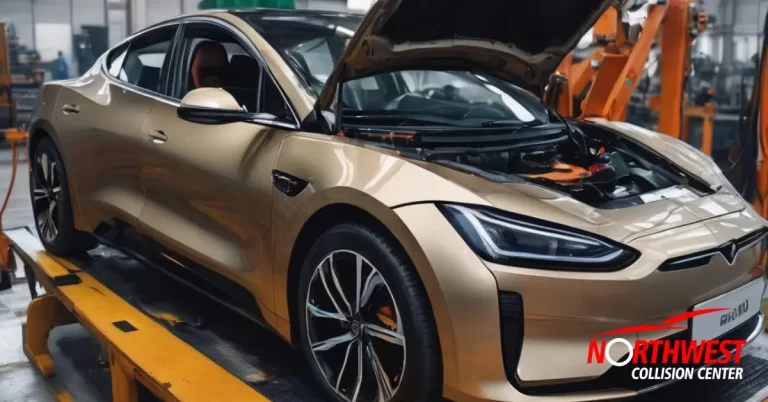
Electric vehicles (EVs) are revolutionizing the automotive industry, offering a greener and more sustainable mode of transportation. With the increasing popularity of EVs, it’s no wonder that electric vehicle repair has become a hot topic in the automotive industry.
As these vehicles differ significantly from their traditional counterparts, their repairs require unique skills and expertise. In this article, we’ll explore the science behind electric vehicle repairs and what it means for Tesla owners needing quality repairs.
The Rise of Electric Vehicles and Their Unique Repairs
Over the years, EVs have gained significant traction due to their eco-friendly nature and technological advancements. Unlike conventional cars, EVs are powered by electricity and have complex components such as high-voltage batteries, regenerative braking systems, and electric motors.
Given these differences, it’s crucial to understand that not all auto repair shops are equipped to handle electric vehicle repairs. Traditional repair technicians typically lack the necessary training and tools to address the unique challenges posed by EVs. As a result, taking your Tesla or any electric car to a regular body shop can be risky.
The Complexities of Tesla Repairs
When we talk about electric vehicle repairs, it’s hard to miss the pioneering work of Tesla. As one of the leading EV manufacturers, Tesla has revolutionized the automotive industry with its cutting-edge technology and sleek designs. However, repairing a Tesla isn’t as simple as fixing a traditional car.
Since its inception, Tesla has taken a unique approach to vehicle manufacturing, incorporating advanced features like Autopilot, over-the-air updates, and seamless touchscreen controls. While these innovations have undoubtedly enhanced the driving experience, they have also added another layer of complexity to Tesla repairs.
Why Electric Vehicles Require Specialized Repairs

Specialized knowledge and expertise are essential when it comes to electric vehicle repairs. Here’s why:
1. Safety Concerns
First and foremost, EVs operate at high voltages, which means any repair work carries a higher risk of electrical shock. To ensure the safety of both the vehicle and the technician, Tesla body shop repairs need to have proper training in handling electric car components.
2. Battery Expertise
The battery is the heart and soul of an electric vehicle. Fixing damaged batteries is a highly specialized skill that only a few trained technicians possess. As a result, most traditional repair shops are ill-equipped to deal with significant battery issues and may only offer essential battery services, such as inspections and replacements.
3. Unique Components
EVs have unique components like regenerative braking systems, electric motors, and advanced cooling systems. Repairing these components requires a deep understanding of their intricacies, which many traditional repair technicians lack.
4. Tesla-Specific Challenges
Repairing a Tesla comes with its set of challenges. Due to the company’s closed repair network, independent shops often face difficulties accessing Tesla-specific parts and diagnostic software. This limitation means that not all body shops can provide quality Tesla repairs.
The Importance of Choosing a Tesla-Certified Body Shop
If you’re a Tesla owner and your vehicle requires repairs, opting for a Tesla-certified body shop is crucial. Here’s why:
1. Quality Assurance
Choosing a Tesla-certified body shop ensures that your vehicle will receive the highest standard of care. These shops are well-versed in Tesla technology and have access to the latest repair guidelines, guaranteeing quality Tesla body shop repairs that preserve the car’s performance and value.
2. Specialized Training
Technicians in Tesla-certified shops undergo specialized training, equipping them with the knowledge and skills to handle the unique complexities of Tesla repairs. They are well-versed in the intricacies of Tesla models, including the software and hardware integration.
3. Access to Original Equipment Manufacturer (OEM) Parts
Getting your Tesla repaired at a certified shop ensures the use of genuine Tesla parts. Since Tesla is known for its proprietary components, only certified shops can access the complete range of Tesla-specific parts.
4. Streamlined Repair Process
Working with a Tesla-certified shop means accessing the company’s streamlined repair network. These shops can directly communicate with Tesla and efficiently handle the necessary paperwork, approvals, and post-repair follow-ups.
The Bottom Line
Getting involved in an accident is stressful enough, and the last thing you want is to compound that stress with subpar Tesla body shop repairs. This is especially true for those who highly value the condition and performance of their vehicle, as a poorly executed repair can lead to further issues and diminished driving experience.
Remember, not all body shops are created equal regarding electric vehicle repairs. The best course of action is to choose a certified repair shop to get back on the road as quickly and safely as possible.
Need a Reliable Body Shop for Your Tesla?
If you are looking for a Tesla auto body shop in Tampa, FL, you can count on Northwest Collision Center to provide the highest quality service. Our expert technicians are well-versed in handling various Tesla repairs and are committed to getting your electric vehicle back on the road in its best shape. Experience the difference of working with us. Contact Northwest Collision Center today!