With the benefits of electric vehicles on the environment being so well-documented, countless people have expressed interest in acquiring one for themselves; however, it’s not only their effect on nature that makes owning one so advantageous. They also require less maintenance, perform quieter, and so much more.
For those reasons, the increase in electric vehicle counts on the road comes as no surprise. In 2017, there were already over 500,000 electric vehicles in the United States alone; the number has only grown since then and is still expected to rise in the coming years. Because of this, manufacturers sought out a more efficient way to charge them, eventually leading up to one of the best: EV smart charging.
What Is Smart Charging?
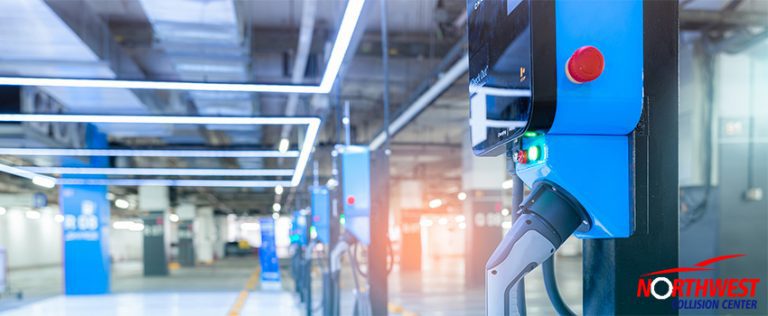
Smart charging refers to a system for electric vehicles wherein they share data connections with a charging device, which then subsequently connects them to the charging operators. In essence, EV smart charging is about creating communication between smart EV chargers, electric vehicles, and the smart charging station, at which point user and vehicle data are shared and sent to charging operators.
The charging operators then process said data to optimize the way EVs are charged, such as calculating when the best time to recharge your vehicle is (whether you’re at work or at the mall) and how much power it can/needs to send — all to minimize potential damage and energy losses while maximizing output.
How Does Smart Charging Work?
Because smart EV chargers send real-time data to a centralized platform, depending on what data has been shared and stored in the cloud from prior travel and usage, your electric vehicle will not necessarily start charging as soon as it is plugged in, unless it is the most optimal time to do so.
Doing this aids in preventing electrical grid overloads as charging operators can take into account various factors in an area, such as the number of electric vehicles in need of power, and limit what energy is allocated to it, instead of releasing all available energy at once without restrictions. This in turn prevents having greater demand for power and reduces the need for potentially destructive energy creation.
Benefits of EV Smart Charging
Besides providing a positive effect on the environment, smart charging of electric vehicles can also be of value to the owners. Here are some of the benefits:
1. User-Friendly Charging Station Locations
As smart charging gains popularity, so will its functionality. In the future, instead of memorizing gas station locations, you can opt to locate your nearest charging station on your mobile device instead, making topping up your electric vehicle’s battery hassle-free, and allowing you to reserve your spot and necessary energy distribution before arriving.
2. Reduced Charging Times
Time is always of the essence, so having shorter wait times, when applicable, is always an upside. With a charging power capable of reaching upwards of 150 kW, charging stations can top up your electric vehicle’s battery faster than other means.
3. Safer Charging Experiences
Unlike charging an electric vehicle at home, smart charging stations are the safer option as they are remotely controlled by charging operators. With smart charging, the risk of electrical accidents occurring at home will be reduced.
4. Decreased Overall Spending
Because smart EV chargers deduce the most optimal time to charge your electric vehicle, roughly calculating how much time you have and energy you need, they can lower your everyday vehicular expenses by charging during the off-hours when electricity rates are at their lowest.
Planning To Buy an Electric Vehicle?
When intending to purchase an electric vehicle, it is essential to be aware of the advantages and disadvantages of owning one.
Some benefits include: needing less necessary maintenance, being eco-friendly, enjoying quieter performance, and having designated lanes. Some of the disadvantages to owning one today, on the other hand, are: having an exorbitant upfront cost, having few model choices, and only being capable of driving a limited range.
If you already own one, however, then we highly recommend smart charging.
Have Your Electric Vehicle Checked Up
If you are looking for an auto body repair shop in St. Petersburg, FL, Northwest Collision Center is at your service. We are now 62 years in this business and provide a variety of services for electric vehicles.
For more details about what we can do for you, contact us at (727) 347-8945. We will be more than happy to address all your electric vehicle concerns.