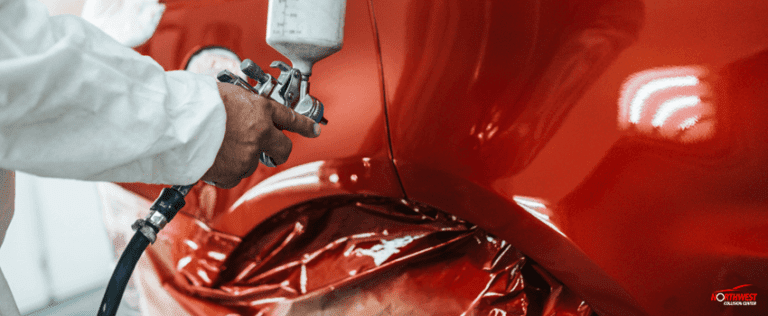
It’s natural to want to cover up an unsightly mark that you find on your car, especially if this has affected the appearance of the exterior paint. Unfortunately, most car paint jobs encounter color matching issues. This means that there’s a strong likelihood that you will end up with a vehicle paint color that’s slightly different from the original.
The solution is to find the color paint code of your car. This is what many auto detailers and car mechanics normally rely on when identifying the correct shade of the vehicle that they are working on. The code can be used to generate digital prints that will match the original paint of your car.
What Is a Car Paint Code?
This refers to the exterior color of your automobile, but this can also involve other components such as the underside. Every car is assigned this code which indicates the exact shade of paint color that has been applied on the body of your vehicle.
The typical car paint color code is usually several characters long that include a combination of numbers, letters, and icons that may refer to specific parts of your car. The special characters could signify the model of the vehicle or its manufacture year. Additionally, the formatting of the code is often different among various car makers.
Types of Car Paint
Car paints come in a variety of types as these can depend on the make, class, and manufacturer brand. Nevertheless, the most popular are the following:
1. Solid/Standard
Considered as the most popular, solid or standard paint is also the most affordable and is available in a wide range of colors. It is likewise durable, although it may not have the same aesthetic appeal or shine as other paint types.
2. Metallic
This is a common car paint among many manufacturers who usually offer this to customers who own the latest car models. Metallic paint is so named because of its durable powdered aluminum content which allows it to shine brightly even in low lighting.
3. Pearlescent
This is a high-end metallic car paint type that comes in a great range of pigments. Its colors are also richer depending on how light reflects on the paint.
4. Matte
Matte is a car paint option often used as an aftermarket spray and on automobiles classified as high-end. It is seen as the opposite of metallic paint since it has minimal to no shine, and this will depend on the finish. Matte paint is also susceptible to damage, with marks and scratches that can be difficult to remove.
How To Find a Car Paint Code
Many auto color codes can be found on the driver’s door jam. If it’s not there, the code could be near the VIN (vehicle identification number), which is usually located either on the dashboard or at the bottom-right corner of the driver’s side.
The owner’s manual is also a good reference material when looking for your color paint code. Also worth looking into is your vehicle’s service log and your vehicle sticker which you should find in the glove box or in the trunk of your car. Some automobile models are also known to contain vehicle stickers under the hood.
Reasons To Find Your Car Paint Color Code
The following situations will make the use of paint color codes particularly useful:
1. The car has scratches.
Many drivers want their cars squeaky clean, so even the tiniest scratch has to be covered up. Whether the damage was due to a minor accident or simply because of wear and tear hardly matters. To these car owners, the error must be corrected right away, and the best option is a paint job. This is where the color code becomes important.
2. The weather has damaged the car paint.
Changes in the weather are inevitable and these can impact the car exterior. Too much heat from the sun, for example, can cause your vehicle’s paint to fade. Sunlight can also lead to oxidized car paint where the protective layers are destroyed.
3. The car got involved in a collision accident.
This is a clear occasion where a paint job has to be performed on your vehicle. For the work to succeed, the correct color code has to be provided even as you also have to worry about certain parts of your car getting replaced.
4. Color codes can ensure correct car color matching.
Car paint manufacturers sometimes create multiple shades of a given color that they apply to different versions of a particular vehicle model. Thus, a red-colored car could actually be sporting an apple red, electric red, or metallic red hue. Each of these shades of red has a unique color code and if the wrong one is applied on your auto, you could end up driving a car with a color that you never wanted.
5. Color codes are used in online shopping.
Many auto enthusiasts shop online for certain colors and formulas. However, the color swatches may look different depending on the device being used. They could also look different if you view them under fluorescent lighting and outside on a hot sunny day. By using paint code as your search information, you can get a clearer and more accurate picture of the car paint color that you will be getting.
6. Vintage automobiles rely on color codes.
Classic cars are known to sport colors that were produced under original equipment maker (OEM) standards. These colors are hardly manufactured anymore. If you own a vintage car that’s showing signs of rust, paint damage will follow shortly. If you know the color code of the vehicle, you can have it repainted, with the new color still matching the OEM’s hue.
Key Takeaway
The paint code of your automobile is important because this will help ensure that you get the correct shade of color every time you place an order for a car paint. It is also useful for auto body technicians who work on vehicles that need vinyl wraps.
Matching a car paint was a common problem among auto shops when it came to handling vehicle repair requests. The emergence of paint color codes has made things easier, with many paint jobs becoming more successful. There are even online options that allow you to do the repainting yourself if you have the correct code. Still, if you want the best results, it’s best that you take your car to a professional auto repair shop.
Northwest Collision Center can provide you with the best car paint job through our digital color matching technology.
If your car is sporting a different shade of red, black, or any other color and needs a paint makeover, Northwest Collision Center should have no problem handling it.
Thanks to our digital color matching technology, we can accurately determine the exact color shade of your automobile. Using this, our well-trained team that handles auto body repair in Largo, FL will work on your car and deliver the results you expect. Call us today and see us perform.