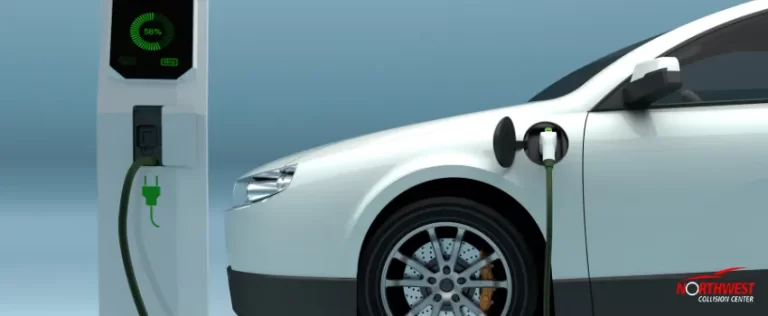
Electric cars are the future of the automotive industry, offering a greener and more sustainable mode of transportation. As their popularity grows, so does the need to address concerns about electric car safety and debunk the myths surrounding them.
While electric cars are relatively new to the market, they undergo rigorous testing and are equipped with advanced safety features to ensure the well-being of their drivers and passengers. In this blog, we will explore these safety features and shed light on the truth about electric car safety.
The Rise of Electric Vehicles: A Sustainable Shift
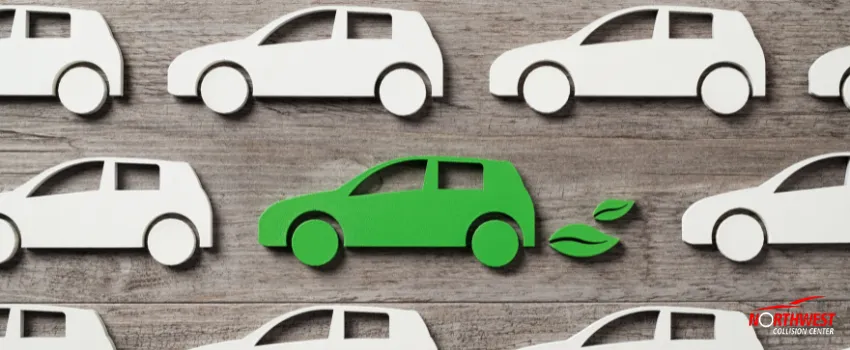
Before getting into the specifics of electric car safety, let’s first understand the significance of electric vehicles in today’s world. As the global community intensifies efforts to combat climate change and reduce carbon footprints, the transportation sector, known for its heavy reliance on fossil fuels, has become a primary target for transformation.
Major automobile manufacturers and innovative startups have invested heavily in developing electric car technology in response to this challenge. These efforts have led to significant advancements in battery efficiency, resulting in longer driving ranges and improved overall performance. Additionally, the expanding charging infrastructure has further boosted the appeal of EVs, making them a viable option for many.
The Importance of Electric Car Safety
Electric car safety is paramount for car manufacturers, regulators, and consumers. The unique characteristics of electric vehicles, such as their high-voltage systems and lithium-ion batteries, necessitate a focused approach to ensure the well-being of their drivers and passengers.
While the overall safety record of electric cars is encouraging, it is essential to remain vigilant and address safety concerns. Doing so will boost consumer confidence and pave the way for continued advancements in this transformative industry.
Common Electric Car Safety Concerns
As with any new technology, electric cars have raised some safety concerns. Let’s examine and address the most common ones:
1. Battery-Related Risks
One of the primary electric car safety concerns is the risk of battery-related incidents, such as fires and explosions. While it’s true that lithium-ion batteries, which power most electric vehicles, can pose a fire risk, manufacturers have implemented stringent safety measures to minimize this danger.
In the event of a collision, electric cars are designed with safety features that automatically disconnect the battery, reducing the risk of electrical shock. The probability of a battery-related incident in an electric car is extremely low, and it is worth noting that gasoline-powered vehicles also carry a risk of fire in the event of a crash.
2. Charging-Related Safety Hazards
Another concern is the safety of electric car charging. Critics argue that using high-voltage electricity for charging can lead to accidents, including electrical shocks and short circuits.
However, electric car manufacturers have taken significant measures to address these concerns. For instance, charging cables and connectors have safety features to prevent electrical shocks. Some electric cars also have advanced charging systems that detect faults and automatically shut down to minimize the risk of electrical accidents.
3. Limited Emergency Response Infrastructure
Concerns have been raised about the ability to respond to electric car emergencies, primarily due to the specialized training and equipment required to handle incidents with high-voltage systems.
However, these electric car safety concerns are being actively addressed. Emergency responders, such as firefighters and paramedics, are increasingly receiving specialized training in handling electric car accidents. Electric car manufacturers also work closely with emergency service providers to develop protocols for safely handling electric car accidents.
4. Structural Integrity
Some skeptics have raised concerns about the structural integrity of electric cars, questioning whether they can provide the same level of protection as traditional gasoline-powered vehicles in the event of a crash.
It’s important to note that electric cars are built with safety in mind. The heavy and dense battery packs in electric vehicles often serve as a lower-center-of-gravity weight, enhancing stability and reducing the risk of rollovers. Many electric cars also feature reinforced frames that protect the battery and improve the vehicle’s overall structural integrity.
5. Pedestrian Safety
Pedestrian safety is a concern unique to electric cars due to their quiet nature. Critics argue that the lack of engine noise can make it difficult for pedestrians, especially those with visual impairments, to detect the approach of electric vehicles.
To address this electric car safety concern, manufacturers must equip their vehicles with sound-emitting devices, often called acoustic vehicle alerting systems. These systems produce sounds that mimic the noise of traditional combustion engines when the car is in motion but at a level that does not contribute to noise pollution.
Fact or Fiction: Electric Car Myths Debunked

Now that we’ve addressed the most common electric car safety concerns, let’s debunk some prevailing electric car myths:
1. Electric cars are more prone to fires than gasoline-powered vehicles.
This myth stems from the misconception that the battery in an electric car is more likely to catch fire than the fuel in a traditional vehicle. In reality, the fire risk in an electric car is significantly lower than in a gasoline-powered vehicle.
Gasoline is highly flammable, and collisions involving traditional cars often result in fuel leaks, increasing the chances of a fire. On the other hand, electric car batteries are well-protected, and their safety features, such as automatic battery disconnection, significantly reduce the risk of a fire in an accident.
2. Electric cars can electrocute you if you drive them in the rain.
A common misconception among electric car myths is that driving in the rain can be fatal due to the risk of electrocution. However, this is far from the truth. Electric cars are designed and thoroughly tested to ensure the highest safety standards, including protection against water-related hazards.
Electric car components, including the battery and electrical wiring, are securely sealed to prevent water ingress. Moreover, these vehicles undergo rigorous testing to ensure their performance and safety in various weather conditions, including heavy rain.
3. Electric cars are less safe than traditional cars because they are relatively new to the market.
Next up on our list of electric car myths debunked is the myth that electric cars are less safe than traditional cars because they are relatively new to the market. However, this is false. Electric vehicles undergo the same rigorous testing and meet the same safety standards as traditional cars.
Their novelty does not compromise the safety of electric cars. In fact, their newness to the market has allowed manufacturers to incorporate the latest safety technologies and advancements. Electric vehicles often feature advanced driver-assistance systems (ADAS), including lane-keeping assist, adaptive cruise control, and automatic emergency braking, which can further enhance their safety.
4. Electric car batteries can explode if they are overcharged.
Another one of the many electric car myths is that electric car batteries can explode if overcharged. However, this myth is far from the truth. Electric car charging systems are designed with built-in safeguards to prevent overcharging.
When an electric car battery reaches its full charge, the charging system automatically stops the flow of electricity, eliminating the risk of overcharging. Additionally, electric car batteries are equipped with management systems that carefully monitor and control the charging process to ensure the battery’s health and safety.
5. Electric cars are unsafe in crashes because of their lightweight construction.
While it is true that some early electric car models had lighter frames, modern electric cars are designed with safety as a top priority. Many electric vehicles use lightweight materials to offset the weight of the battery and improve overall efficiency. Despite their lighter construction, these vehicles meet the same stringent safety standards as traditional cars.
Electric car manufacturers have significantly advanced vehicle engineering, incorporating advanced crumple zones and reinforced structures to effectively absorb and distribute crash forces. In some cases, the heavy battery packs in electric cars can even enhance safety by lowering the vehicle’s center of gravity.
6. Electric cars are unsafe for the environment due to the production and disposal of their batteries.
Many electric car myths are related to environmental damage. It is a common myth that electric cars are unsafe for the environment because of the production and disposal of their batteries. However, this myth overlooks the broader environmental benefits of electric vehicles.
While it is true that the production of electric car batteries has some environmental impact, the overall carbon footprint of electric vehicles is significantly lower compared to their gas-powered counterparts. The emissions saved during the operational phase of electric cars far outweigh those generated during battery production.
7. Electric cars are unsafe for long-distance travel due to limited charging infrastructure.
Some people believe electric cars are unsafe for long-distance travel because of the limited charging infrastructure. As with the other electric car myths debunked, this is similarly not true. The charging infrastructure for electric vehicles has significantly expanded in recent years.
Electric car owners now have access to a growing network of public charging stations, including fast-charging options, which can charge a car in minutes. Additionally, electric car manufacturers have made considerable progress in increasing the range of their vehicles, reducing the need for frequent charging on long journeys.
8. Electric cars are like mobile tanning beds, exposing you to harmful radiation.
Comparing electric cars to mobile tanning beds is nothing more than a baseless myth. Electric vehicles do not expose you to harmful radiation. It’s important to note that electric cars use batteries to store and supply power and do not produce radiation.
The term “radiation” may be causing some confusion here. While it’s true that electric cars emit electromagnetic radiation, it is in the form of radio waves, similar to what your home Wi-Fi router emits. This type of radiation is not harmful and is present in many everyday devices.
9. Electric cars can cause cancer due to their electromagnetic fields.
As with many electric car myths, this one is a stretch and needs to be debunked. The electromagnetic fields produced by electric cars are very weak and are unlikely to cause any harm, including cancer.
It’s worth noting that electromagnetic fields are present in many aspects of modern life, including power lines, appliances, and even your computer. The electromagnetic fields generated by electric cars are well below the safety limits established by regulatory agencies. Therefore, this belief is one of the many electric car myths debunked, and you can put your worries about cancer related to electric vehicles at ease.
Key Electric Car Safety Features
Now that we have addressed some common concerns and debunked myths surrounding electric car safety, let’s focus on the key electric car safety features these vehicles possess.
1. Battery safety management systems (BMS)
Electric cars are equipped with battery safety management systems (BMS) that monitor the condition and performance of the battery in real time. The BMS helps prevent overcharging, controls temperature, and detects faults, reducing the risk of thermal runaway and potential fires.
2. Robust battery enclosures and cooling systems
These vehicles have robust battery enclosures and cooling systems to enhance electric car safety further. These electric car safety features protect the battery from external impacts and ensure optimal operating temperatures, reducing the risk of damage and potential thermal events.
3. Enhanced occupant protection
Electric cars often have enhanced occupant protection features, including advanced airbag systems and reinforced vehicle structures. Some models are designed with specific crumple zones to absorb impact and protect the battery, further ensuring the safety of the vehicle’s occupants in the event of a collision.
4. Regenerative braking systems
A regenerative braking system is another notable electric car safety feature. These systems convert the vehicle’s kinetic energy into electrical energy during braking, simultaneously reducing speed and recharging the battery. Regenerative braking can enhance overall vehicle control and responsiveness, potentially reducing the risk of accidents.
5. Advanced driver assistance systems (ADAS)
Many electric vehicles have advanced driver assistance systems (ADAS), such as lane-keeping assist, adaptive cruise control, and automatic emergency braking. When properly maintained, these technologies can significantly contribute to the vehicle’s overall safety by assisting the driver in various traffic situations.
6. Rigorous testing and compliance with safety standards
Manufacturers subject their vehicles to rigorous testing to ensure compliance with various electric car safety features and standards. These tests evaluate the performance of the electrical systems, crashworthiness, and overall vehicle safety. Before they are cleared for production, electric cars must meet the exact stringent safety requirements of traditional vehicles.
The Bottom Line
As the demand for electric cars surges, electric car safety features remain a top priority for manufacturers. These vehicles undergo rigorous testing, feature advanced safety technologies, and meet the same standards as traditional cars.
While concerns about electric car safety exist, many are just part of an extensive list of electric car myths debunked by logic. The reality is that electric cars have proven to be safe on the road, with a track record comparable to conventional vehicles.
Consumers must make informed decisions and not let electric car safety concerns deter them from considering these vehicles. The future of the automotive industry is undoubtedly electric. With ongoing technological advancements, we can expect even greater electric car safety features in the years to come.
Trust the Experts in Electric Car Repairs!
Whether you drive an electric or conventional car, safety is a priority. At Northwest Collision Center, we are committed to keeping your vehicle in optimal condition. Our experienced technicians are well-versed in the unique requirements of electric cars and can handle any repair or maintenance need with precision.
Don’t compromise on quality when it comes to your electric vehicle. Choose the best Tesla Auto Body Shop in Tampa, FL! Contact us and schedule a service today.