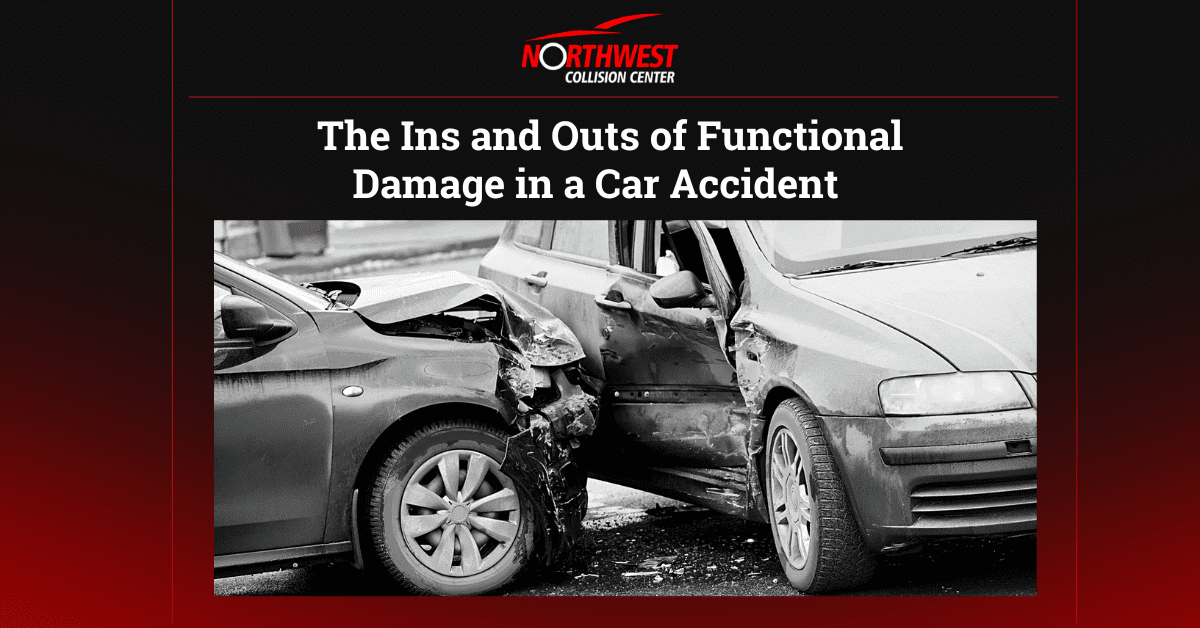

Car accidents can cause significant damage to your vehicle, and the frame is one of the most critical parts that can be affected. The frame serves as the backbone of your car, providing structural support and safety to you and your passengers. When it gets damaged, the overall integrity of the vehicle gets compromised.
Fortunately, with technological advancements in the automotive service industry, damaged car frames can be repaired through frame straightening. This process involves carefully reshaping and aligning the frame to its original form, restoring its structural integrity.
What is car frame straightening?
Car frame straightening, also known as auto body frame straightening, is a specialized repair technique that aims to restore the original shape and structural integrity of a vehicle’s frame after it has been damaged in an accident. This process involves using hydraulic equipment and computerized measuring systems to manipulate the frame back into its position carefully.
The primary goal of car frame straightening is to ensure the vehicle’s frame is in its pre-accident condition, as any misalignment or distortion can lead to significant safety and performance issues. To achieve this, skilled technicians assess the extent of the damage, carefully plan the repair strategy, and then use various tools and techniques to gently restore the frame to its original specifications and alignment.
Is frame straightening safe?
Automotive frame straightening is a safe and effective method of repairing a damaged car frame. It aims to restore the frame’s original shape, ensuring the vehicle’s structural integrity. However, the safety of the entire process depends on two essential factors:
1. Expertise of the Technician
When seeking auto body frame straightening services, choosing a reputable auto body shop with certified technicians is crucial. These professionals have the necessary skills and knowledge to assess the severity of the frame damage and determine the appropriate repair techniques.
2. Quality of the Equipment Used
The safety of automotive frame straightening also relies on the precision of the equipment used. Advanced technology, such as laser measuring systems and hydraulic presses, ensures accurate measurements and controlled force during straightening. This minimizes the risk of further damage to the frame and guarantees the restoration of its original shape.
When is frame straightening necessary?
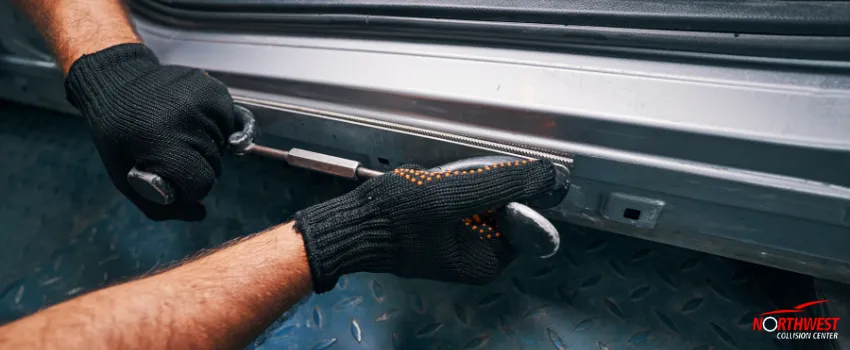
Frame straightening is necessary when a vehicle’s frame has been damaged in a way that affects its structural integrity. Some of the common situations that may require this process include:
1. Significant Collisions
During a severe accident, the impact can cause the frame to bend, twist, or crumple. In such cases, frame straightening is often necessary to restore the frame’s original shape and ensure the vehicle’s structural integrity.
2. Rear-End Collisions
While rear-end collisions typically result in less severe damage than frontal impacts, they can still cause the frame to become misaligned. Frame straightening may be required to correct the misalignment and prevent vehicle handling and stability issues.
3. T-Bone Collisions
In T-bone collisions, the vehicle is hit on the side, which can lead to significant frame damage. Frame straightening becomes necessary to address this damage and restore the vehicle’s structural integrity.
4. Rollovers
Rollover accidents are dangerous as they can cause the vehicle to flip multiple times. These accidents often result in extensive damage to the frame, making frame straightening essential for restoring the vehicle’s safety and structural stability.
5. Other Severe Accidents
Frame damage can also occur in other severe accidents involving multiple vehicles or high-speed impacts. In these cases, auto frame straightening is necessary to address the damage and ensure the car can be safely repaired and returned to the road.
Where can I get frame straightening for my car?
If your car requires frame straightening after an accident, you can get this specialized service at reputable auto body shops. When searching for a shop, consider the following:
1. Look for certifications and experience.
Choose an auto body shop with technicians certified in frame straightening and experienced in handling similar repairs. These certifications and experience ensure that the shop has the necessary skills and expertise to perform the work to a high standard.
2. Ask for referrals and read reviews.
Seek referrals from friends, family, or your insurance provider. You can also read online reviews to gain insights into the quality of work and customer satisfaction offered by different shops.
3. Consider warranty offerings.
Considering warranty offerings can give you added peace of mind, as any future issues related to the frame straightening will be addressed without additional costs.
4. Choose a shop that communicates effectively.
Choose a shop that provides clear updates and promptly addresses your concerns. This ensures that you are not left in the dark about the status of your repair, reducing stress and uncertainty.
Key Takeaway
When performed by skilled technicians, frame straightening is a safe and precise process that can restore a damaged vehicle’s structural integrity. It offers numerous benefits, including preserved car value, enhanced drivability, and increased safety on the road.
Remember, a well-functioning car is about being in its best shape, both externally and internally. So, if you find yourself in a situation where your vehicle requires auto frame straightening, don’t hesitate to take action. The sooner you can get your car to a reliable repair shop, the sooner you can get back on the road.
Get reliable frame straightening now!
When you need frame straightening in St. Petersburg, FL, look no further than Northwest Collision Center. Our expert technicians have the skills and experience to handle all your auto body repair needs, from minor dents to significant collision damage.
Contact Northwest Collision Center today and let us handle your frame straightening needs!